Bahasa Indonesia
Understanding Logistics 4.0 and Its Impact on Indonesian Industry
Posted on June 2, 2026 by Nur Wachda Mihmidati
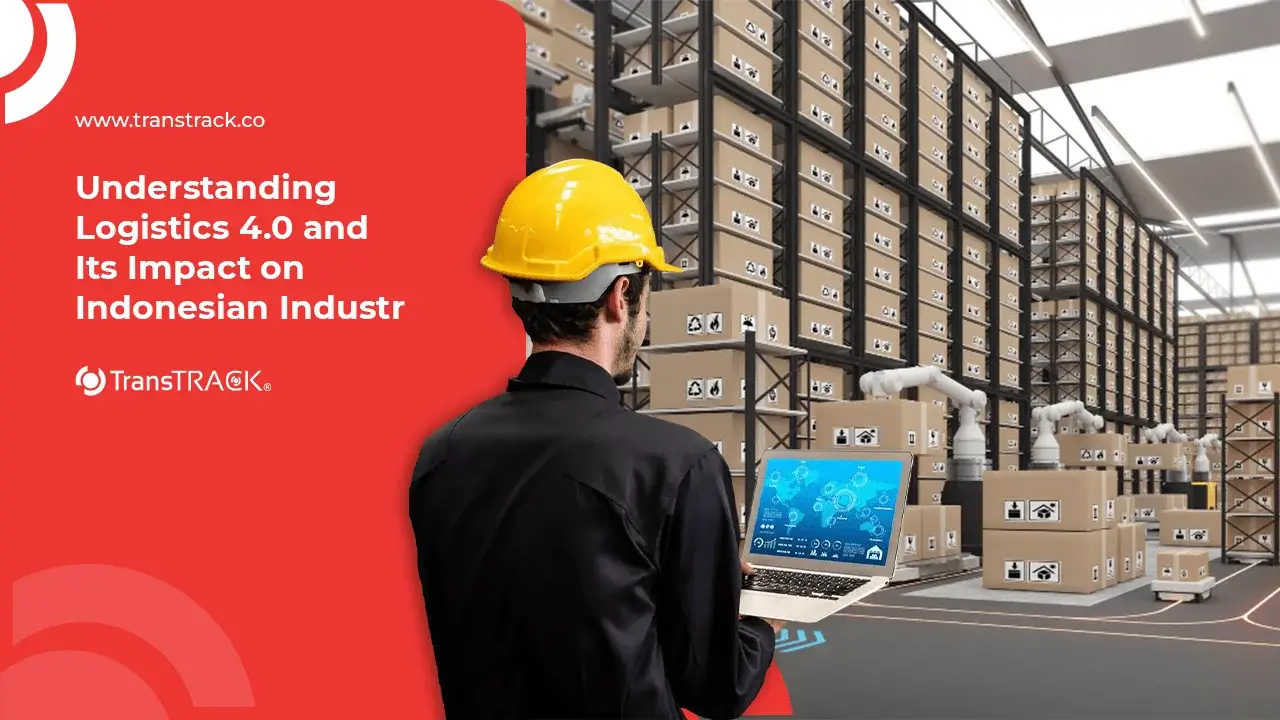
Logistics 4.0 is a concept for transforming logistics systems by integrating digital technologies such as the Internet of Things (IoT), artificial intelligence (AI), big data, and automation to create a more efficient, connected, and real-time data-driven supply chain. This approach enables logistics processes to operate more quickly, transparently, and proactively than conventional systems. Check out the full explanation in the following TransTRACK article!
What is Logistics 4.0?
Logistics 4.0 is a transformation of logistics systems that adopts the concept of Industry 4.0, which involves the use of advanced digital technologies to make supply chains more connected, automated, intelligent, and real-time.
Simply put, Logistics 4.0 is the evolution from traditional logistics to a data- and technology-driven system.
What is the main goal of Logistics 4.0?
The main goal of Logistics 4.0 is to build a supply chain system that is more intelligent, integrated, and based on real-time data so that all logistics processes run more efficiently and transparently.
More specifically, the objectives can be described as follows:
1. Improve operational efficiency Optimize the use of the fleet, warehouses, and resources to make the distribution process faster and more cost-effective.
2. Reducing logistics costs Through route optimization, process automation, and reducing manual errors that lead to waste.
3. Improving supply chain visibility All movements of goods can be tracked in real time from start to finish.
4. Speeding up decision-making The collected data is analyzed in real time, allowing the company to respond to issues more quickly.
5. Improving accuracy and reducing human error Digitization and automation reduce errors in data entry, record-keeping, and manual operational processes.
6. Improving customer satisfaction Deliveries are now more timely, transparent, and predictable.
Why Is Logistics 4.0 Vital for Indonesia?
Amid the growth of the digital economy, the complexity of supply chains in Indonesia is increasing—from inter-island distribution and the surge in e-commerce to demands for cost efficiency. Under these circumstances, conventional logistics approaches are no longer sufficient. Logistics 4.0 offers a technology-based solution that makes logistics systems more connected, transparent, and responsive.
1. Addressing High Logistics Costs
Indonesia still faces relatively high logistics costs due to its geographically dispersed terrain and operational inefficiencies. Logistics 4.0 helps by:
- Real-time data-driven delivery route optimization
- Fleet monitoring to reduce idle time and fuel waste
- Integration of warehouse, port, and transportation systems to streamline operations
The result: distribution costs can be significantly reduced.
2. Market Demands for Speed (The E-Commerce Boom)
The growth of e-commerce has led consumers to demand faster, more accurate, and more transparent delivery.
Logistics 4.0 addresses these challenges through:
- Real-time shipment tracking
- Automation of warehouse and fulfillment processes
- Data-driven demand forecasting
- A more responsive distribution system
This is important so that industry players do not fall behind in the fast-paced digital market competition.
3. Transparency Without Silos
One of the classic problems in logistics is a fragmented system (silos), in which each party works with separate data.
Logistics 4.0 eliminates this problem by:
- End-to-end supply chain integration on a single platform
- Equal access to data for shippers, carriers, and operators
- Transparent, real-time tracking of shipment status
- Digital audit trails to improve accuracy and accountability
With this approach, coordination becomes faster and the risk of miscommunication decreases.
5 Key Technologies Driving Logistics 4.0
The transformation of logistics toward the 4.0 era is closely tied to the role of various interconnected digital technologies. These technologies enable logistics processes to become faster, more accurate, and based on real-time data.
1. Internet of Things (IoT)
The IoT enables every logistics asset—such as trucks, containers, and warehouses—to be connected via digital sensors.
- Real-time tracking of vehicles and goods
- Monitoring cargo conditions (temperature, humidity, vibration)
- Early detection of issues such as delays or route deviations
2. Artificial Intelligence (AI) & Machine Learning
AI helps logistics systems learn from data and make automated decisions.
- Dynamic delivery route optimization
- Demand forecasting
- Detect anomalies such as fuel deviations or delays
- Automation of operational decision-making
3. Big Data Analytics
Logistics generates large amounts of data that need to be analyzed to gain insights.
- Fleet and Supply Chain Performance Analysis
- Identify patterns of delays or inefficiencies
- A detailed evaluation of logistics costs
- The Basis for Strategic Decision-Making
4. Blockchain Technology
Blockchain provides transparency and data security in the supply chain.
- Logistics transaction data that cannot be manipulated
- Tracking the origin of goods (traceability)
- Building trust among parties in the supply chain
- Contract automation via smart contracts
5. Cyber-Physical Systems (CPS) & Robotika
Connecting the physical world (vehicles, warehouses) to digital systems through automation.
- Warehouse robots for picking and sorting goods
- Automated loading/unloading systems
- Integration of machinery with digital monitoring systems
- Operational efficiency at distribution centers
Strategic Steps to Launch Logistics 4.0 Transformation
The transition to Logistics 4.0 cannot happen overnight. A phased and structured approach is needed to ensure that technological changes are implemented effectively, with minimal risk, and deliver tangible business results.
1. Conduct a Digital Maturity Audit
The first step is to assess the company’s current level of digital readiness.
- Evaluation of manual vs. digital operational systems
- Identifying technology gaps in the supply chain
- Analysis of data, infrastructure, and process readiness
- Determine the level of digital maturity (baseline transformation)
2. Start Small (Pilot Project)
Transformation should start with small projects before being implemented on a large scale.
- Pilot program for a single fleet, warehouse, or distribution route
- Validating the benefits of the technology before scaling up
- Minimize the risk of major implementation failures
- Improve the system based on the results of the pilot
3. Code Harmonization and Data Standardization
Data is the cornerstone of Logistics 4.0, so it must be consistent and structured.
- Standardization of data formats across systems (ERP, TMS, WMS)
- Standardization of item codes, routes, and asset identifiers
- System integration to prevent data silos
- Improving the accuracy of analytics and reporting
4. Human Resource Development and Training
Technology will not function optimally without the readiness of the people who operate it.
- Training on the use of digital logistics systems
- Strengthening operational data analysis capabilities
- Adapting to a technology-based work culture
- Enhancing collaboration between the operations and IT teams
Conclusion
Logistics 4.0 is not just a digital trend, but a fundamental shift in how supply chains are managed. By leveraging technologies such as the Internet of Things (IoT), artificial intelligence (AI), big data, and automation, companies can significantly improve operational efficiency, transparency, and speed.
Amid the challenges of high logistics costs, demands for faster delivery, and the need for end-to-end visibility, the transformation toward Logistics 4.0 has become an unavoidable strategic step.
To accelerate this transformation, companies need a system capable of integrating data, monitoring their fleets in real time, and optimizing operations across the board. One solution that can support this is the Fleet Management System from TransTRACK, which is designed to help companies improve fleet visibility, operational efficiency, and data-driven decision-making.
It’s time to switch to a smarter, more integrated, and real-time logistics system. Optimize your fleet operations with the Fleet Management System solution from TransTRACK and start your Logistics 4.0 transformation today.
FAQ
What is the main difference between traditional logistics and Logistics 4.0?
Traditional logistics still relies on manual processes, fragmented (siloed) communication, and a reactive approach to emerging issues. Meanwhile, Logistics 4.0 is based on automation and real-time data integration, enabling the system to operate more proactively and even predictively through data analytics and digital technology.
What is the National Logistics Ecosystem (NLE) in Indonesia?
The National Logistics Ecosystem (NLE) is a digital platform developed by the Indonesian government to unify and streamline national logistics processes. The system integrates the flow of international goods and documents from the arrival of the transport vehicle until the goods reach the warehouse, using the single submission concept to reduce inter-agency bureaucracy.
What is the biggest challenge in implementing Logistics 4.0 for local businesses?
The main challenges in implementing Logistics 4.0 include high upfront investment costs for technologies such as ERP and IoT, the uneven distribution of digital infrastructure across various regions, and a shortage of human resources with expertise in modern supply chain technology.
Recent Post




Topic :