Bahasa Indonesia

Strategies to Boost Modern Logistics Business with Truck Turnaround Time
Posted on September 15, 2026 by Nur Wachda Mihmidati
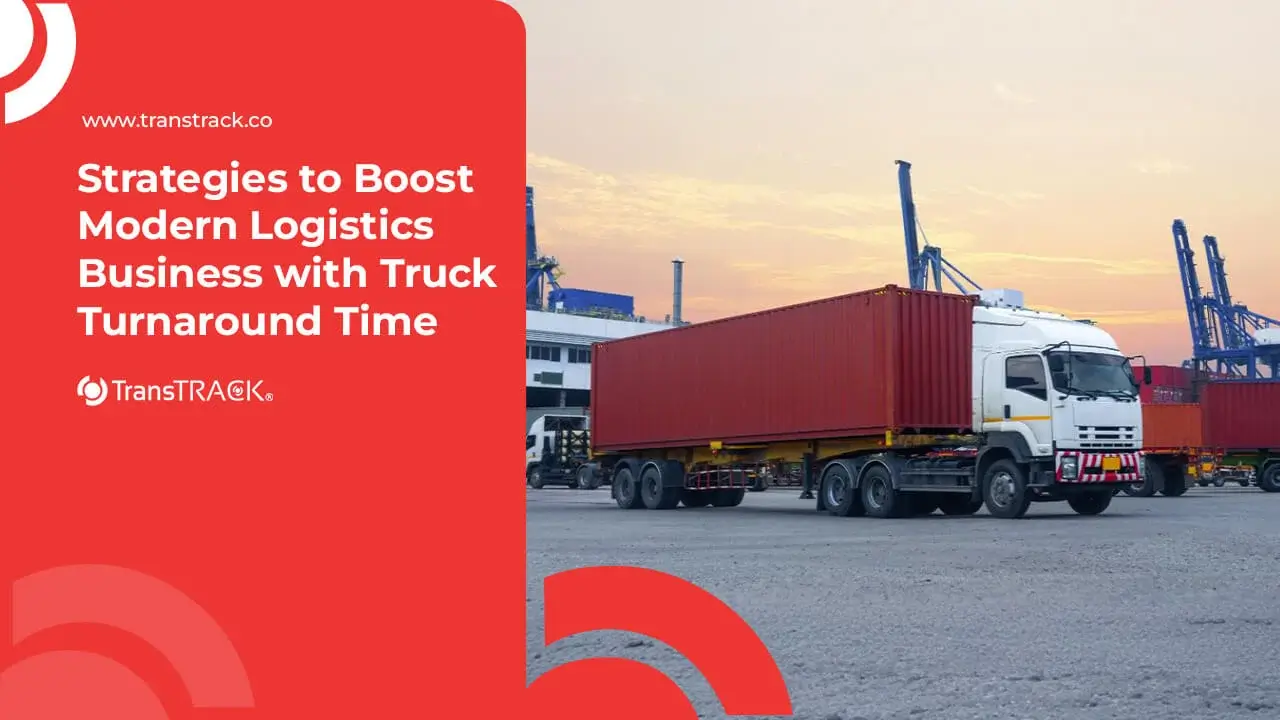
In the logistics and transportation industry, speed and operational efficiency are key drivers of business competitiveness. One critical metric often used as a benchmark is Truck Turnaround Time—the total time a truck spends from arrival at a facility until departure after loading or unloading is complete. This article will comprehensively discuss what Truck Turnaround Time is, why this metric is crucial, its benefits, and practical strategies to improve it for better operational efficiency. Read more with TransTRACK!
What Is Truck Turnaround Time?
Truck Turnaround Time is the total duration required for a truck to complete one operational cycle at a logistics facility, such as a warehouse, port, or distribution terminal. This cycle includes the entire process from gate-in, queuing, loading/unloading, document verification, to gate-out to continue the distribution journey.
The shorter the Truck Turnaround Time, the higher the fleet utilization and the more efficient the overall logistics operation.
Factors Affecting Truck Turnaround Time
Several key factors influence the length of Truck Turnaround Time, including:
- Yard Congestion: Truck accumulation in the warehouse area due to poor arrival slot scheduling.
- Availability and Performance of Loading/Unloading Equipment: Limitations or breakdowns of equipment such as forklifts and cranes can slow down the process.
- Human Resources (HR): The number and competency of warehouse staff and their coordination with truck drivers.
- Manual Documentation Processes: Manual verification of delivery orders at security posts takes considerable time.
- Uncertainty in Arrival Schedules (ETA): Warehouses are unprepared for loading/unloading because they don’t know exactly when trucks will arrive.
- External Factors: Weather conditions, traffic congestion, or port operational policies.
Why Is Truck Turnaround Time Important in Logistics?
Truck Turnaround Time is not just a statistical figure; it’s an operational efficiency indicator that directly impacts:
- Truck fleet productivity
- Logistics operational costs
- On-time delivery performance
- Customer and transportation partner satisfaction
The more efficient the Truck Turnaround Time, the more trips a fleet can complete per day, thereby increasing distribution capacity without needing to add more vehicles.
Benefits of Truck Turnaround Time
Optimizing Truck Turnaround Time provides various strategic benefits for logistics companies, including:
Enhancing Truck Fleet Productivity
By shortening waiting times at warehouses, trucks can complete more trips per day. This increases asset utilization and reduces vehicle idle time.
Reducing Operational Costs and Waiting Time
Shorter waiting times mean savings on fuel costs, driver wages, and detention charges.
Improving On-Time Delivery Performance
Efficient Truck Turnaround Time helps maintain on-time delivery schedules, which is crucial for meeting customer commitments.
Supporting Customer and Transportation Partner Satisfaction
Fast and predictable loading/unloading processes improve the experience of transportation partners and end customers, ultimately strengthening the logistics company’s reputation.
Strategies to Improve Truck Turnaround Time
Here are several practical strategies that can be implemented to accelerate Truck Turnaround Time:
Implementing a Truck Arrival Scheduling System
Use a Truck Appointment System or time-slot-based scheduling to avoid truck accumulation in the warehouse area.
Optimizing Loading and Unloading Processes
- Ensure loading/unloading equipment is available and in good condition.
- Train staff to work more efficiently and in a coordinated manner.
Leveraging Transport Management System (TMS) Technology
TMS systems help monitor truck positions in real-time, manage digital documents, and automate check-in/check-out processes.
Providing Cargo Documents and Information in Advance
Ensure documents such as delivery orders, invoices, and manifests are sent digitally before trucks arrive to speed up verification processes.
Monitoring Truck Turnaround Time KPIs Regularly
Track and evaluate this KPI routinely to identify bottlenecks and areas for improvement.
Improving Coordination Between Warehouse, Drivers, and Transporters
Good communication among all parties reduces waiting times and operational errors.
Conclusion
Truck Turnaround Time is a critical metric that reflects your logistics operational efficiency. By understanding the factors that influence it and implementing the right improvement strategies, companies can enhance fleet productivity, reduce costs, and strengthen customer satisfaction.
Ready to optimize your business’s Truck Turnaround Time? Visit TransTRACK for Fleet Management System solutions that help you monitor, analyze, and accelerate logistics operational processes in real-time.

FAQ
What Is the Ideal Target for Truck Turnaround Time?
Ideal targets vary depending on the type of operation, but generally:
– Best-in-class: <60 minutes
– Mature operations: 60–90 minutes
– >90 minutes: Indicates issues in dock or warehouse processes.
How to Calculate Truck Turnaround Time?
Simple formula:
Truck Turnaround Time = Gate-Out Time – Gate-In Time
Or in more detail:
TTT = Waiting Time + Flow Time in Warehouse Area.
What Is Delivery Lead Time?
Delivery Lead Time is the total time from when an order is received until the goods reach the customer’s hands. This includes processing time, picking, transportation, and handover.
Recent Post





Topic :