Bahasa Indonesia
Understanding the Vessel Monitoring System (VMS) in the Maritime and Fisheries Industries
Posted on May 15, 2026 by Nur Wachda Mihmidati
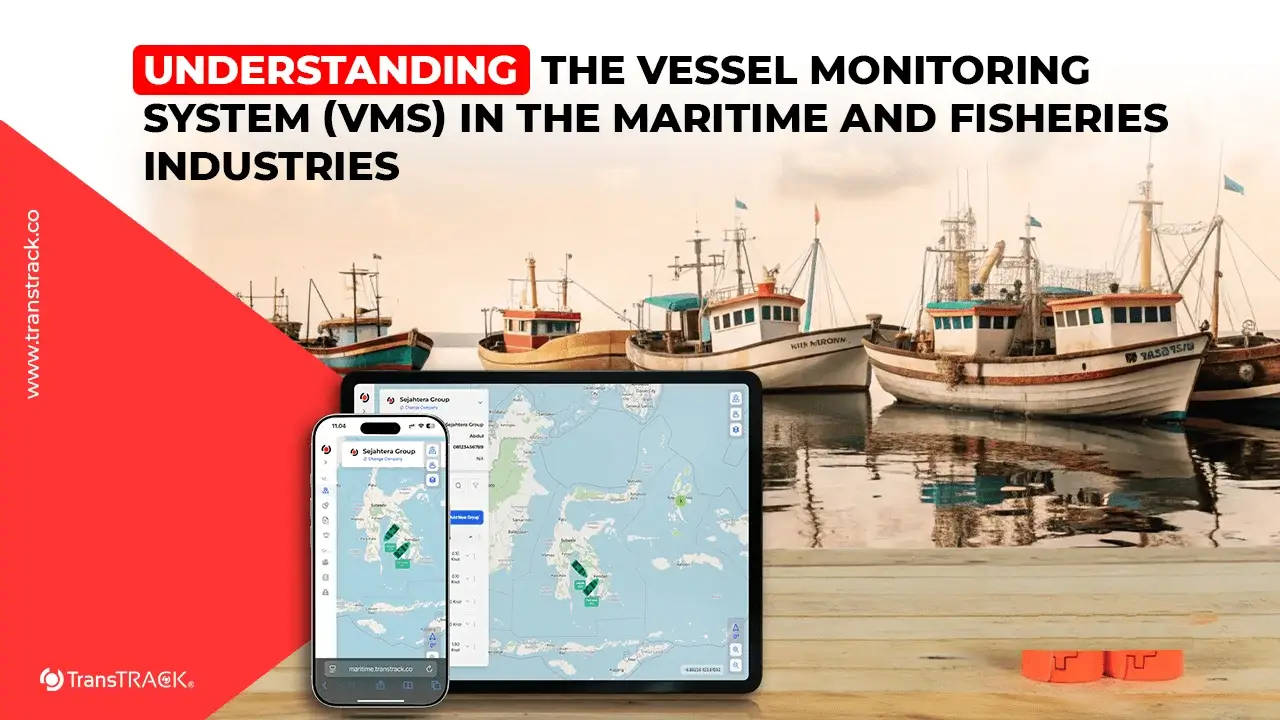
A Vessel Monitoring System (VMS) is a GPS- and satellite-based system used to track the position, movement, and activities of vessels in real time. This technology helps improve maritime safety, enhance fleet operational efficiency, and ensure compliance with maritime and fisheries regulations. VMS is widely used in the fisheries industry, maritime logistics, shipping, and modern fleet management. Read the full explanation in the following article TransTRACK!
Apa itu Vessel Monitoring System (VMS)?
The Vessel Monitoring System (VMS) is a GPS- and satellite-based system used to track the position, movement, and activities of vessels in real time.
VMS helps companies and maritime operators to:
- Tracking the ship’s location
- Optimizing fleet operations
- Improving maritime safety
- Ensuring regulatory compliance
This system is commonly used in the fishing industry, maritime logistics, shipping, and fleet management.
How the Vessel Monitoring System Works
The Vessel Monitoring System (VMS) works by automatically transmitting real-time vessel data via a satellite network to a monitoring center. Here’s how it works:
- Data Transmission: The ship transmits data on its position, speed, and direction via a transceiver.
- Satellite Network: Data is transmitted via satellite networks such as Inmarsat, Iridium, or Argos to reach areas of the open sea.
- Fisheries Monitoring Center (FMC): Information is received by the Fisheries Monitoring Center for monitoring and analysis by the relevant authorities.
- Reporting Interval: Vessel data is transmitted periodically at predetermined intervals, ranging from a few minutes to a few hours.
VMS Regulations in Indonesia and Internationally
The implementation of the Vessel Monitoring System (VMS) is governed by various national and international regulations to enhance vessel monitoring, support sustainable fishing practices, and prevent Illegal, Unreported, and Unregulated Fishing (IUUF).
Regulations of the Ministry of Marine Affairs and Fisheries (KKP)
In Indonesia, the requirement to use VMS is regulated by Regulation of the Minister of Marine Affairs and Fisheries (Permen KP) No. 42/PERMEN-KP/2015 on the Fishing Vessel Monitoring System. This regulation requires fishing vessels over 30 GT operating in Indonesian fisheries management areas or on the high seas to install VMS devices.
In addition, the implementation of the VMS also supports sustainable fishing policies and more transparent monitoring of vessel operations. In a recent development, the Ministry of Marine Affairs and Fisheries has also expanded its monitoring of vessels ranging from 5 to 30 GT operating beyond 12 nautical miles.
International Standards
Internationally, the use of VMS supports compliance with regulations and standards set by organizations such as the International Maritime Organization and Regional Fisheries Management Organizations. These systems are used to ensure that vessels comply with operational zones, fishing regulations, and global maritime safety and surveillance standards.
VMS also plays a key role in the Monitoring, Control, and Surveillance (MCS) system recommended in the Code of Conduct for Responsible Fisheries (CCRF) to support the sustainable management of marine resources.
Integration with Fisheries Monitoring
The latest regulations in Indonesia also integrate VMS with electronic logbooks, vessel inspections, and fishing activity monitoring systems. These provisions are reinforced by Ministry of Marine Affairs and Fisheries Regulation No. 33 of 2021, which establishes a more integrated system for monitoring fishing vessels and fish transport vessels.
Legal Implications
Vessels that fail to install, turn off, damage, or tamper with VMS devices may be subject to administrative sanctions, suspension of operations, suspension of permits, or revocation of their fishing business licenses. VMS data can also be used as a monitoring tool to detect violations of operational zones and illegal fishing activities.
The Strategic Benefits of VMS for Shipowners
VMS helps shipowners monitor their routes to optimize them, thereby improving fuel efficiency.
Crew Safety
The VMS system can be equipped with a panic button that connects directly to the help center to facilitate a faster emergency response.
Fleet Management
Shipowners can monitor the location and activities of their entire fleet in real time through a single centralized dashboard.
Proof of Compliance
Data from the VMS can be used as evidence of compliance with shipping regulations and for monitoring vessel operations.
Conclusion
The Vessel Monitoring System (VMS) is a critical solution for enhancing real-time visibility, safety, and operational efficiency of vessels. With capabilities ranging from vessel position monitoring and fleet management to supporting regulatory compliance, VMS helps maritime companies run more optimized and integrated operations.
To support the digital transformation of maritime operations, TransTRACK offers a Vessel Monitoring System solution that integrates fleet management, tracking, analytics, and real-time fleet monitoring. Optimize vessel management and improve your maritime operational efficiency with TransTRACK.
FAQ
What is the difference between VMS and AIS (Automatic Identification System)?
VMS uses a closed satellite network for surveillance and monitoring by the government or operators, while AIS uses VHF or open satellite signals focused on navigational safety and preventing collisions between ships.
Why do ships need to install VMS?
VMS helps ensure compliance with regulations and operational zones, enhances crew safety, and is a requirement for the legal operation of a vessel.
How much does it cost to install a VMS?
The cost of installing a VMS generally includes hardware, installation costs, and a monthly data transmission subscription fee tailored to the vessel’s operational needs.
Is a VMS required for all vessels?
The requirement to use VMS depends on each country’s regulations and the type of vessel. In Indonesia, VMS is generally required for fishing vessels of a certain size.
Can a VMS operate without a cellular signal?
Yes. The VMS can continue to operate via satellite, so vessels can still be monitored even when they are in open waters without a cellular signal.
Recent Post

Understanding Carbon Tracking and Its Role in Sustainability
August 31, 2026
Understanding Mining Digitalization and Its Impact on Operations
August 28, 2026


Topic :