Bahasa Indonesia

Learn How to Real Time Tracking Using The License Plate Number!
Posted on October 2, 2026 by Nur Wachda Mihmidati
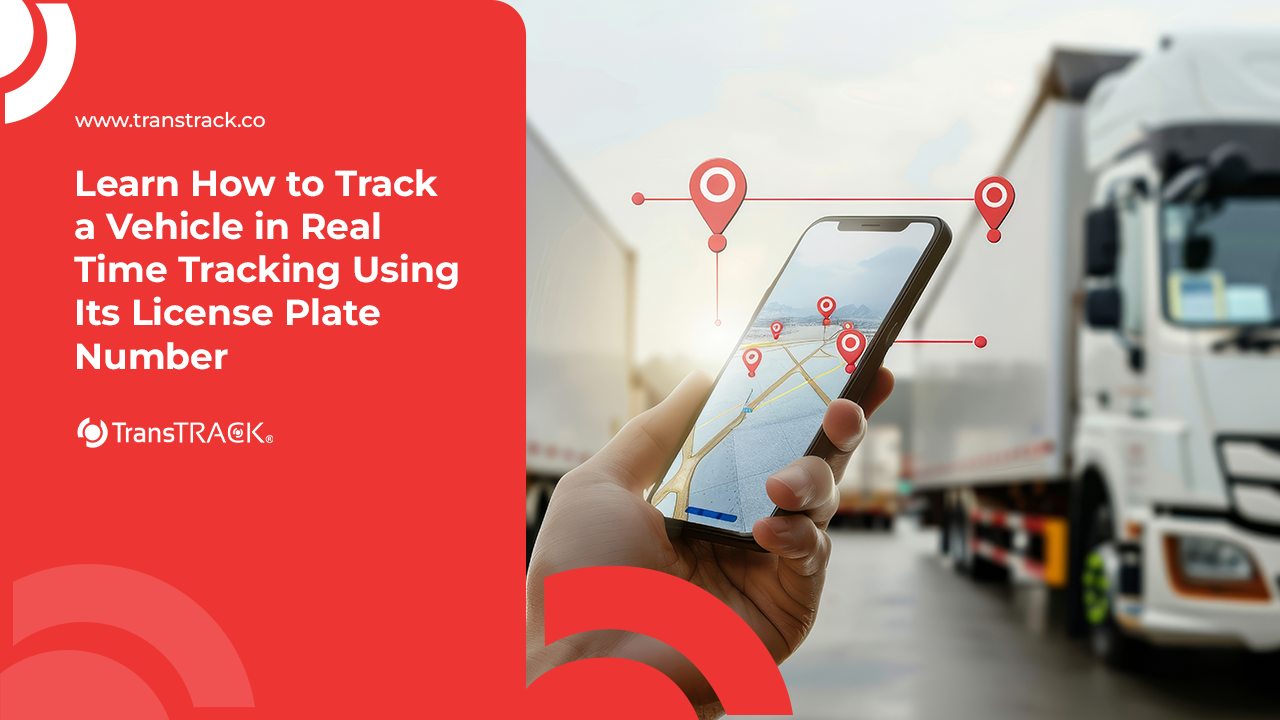
Many people ask whether a car can be tracked using only its license plate number. The answer is no—license plate numbers cannot be used to view a vehicle’s real-time location because they only serve as a vehicle’s administrative identity. To determine a car’s current position, you need GPS tracking technology or a Fleet Management System connected to a tracking device installed in the vehicle. Learn more with TransTRACK!
Can We Track a Car by Its License Plate Number?
A license plate number cannot be used to track a car’s location directly. It only functions as the vehicle’s official identity registered with the police and relevant authorities.
Although a license plate can assist with administrative processes, such as verifying vehicle ownership or reporting a lost vehicle, it does not display location coordinates, travel routes, or the vehicle’s current status. Therefore, real-time vehicle tracking requires a special device installed in the car.
Why Can’t a License Plate Number Show a Vehicle’s Location?
A license plate has no sensors, internet connection, or ability to transmit location signals. It only serves as a vehicle’s official identity and cannot be used to track its location directly. Tracking a vehicle’s location, travel route, and status in real time requires a special device such as a GPS tracker.
How to Know a Vehicle’s Position in Real Time
There are several common ways to monitor a vehicle’s position in real time. The best option depends on your needs, the number of vehicles, and the level of operational control you require.
Installing a GPS Tracker in the Vehicle
A GPS tracker is a device that uses satellite signals to track a vehicle’s location, speed, and direction of movement in real time. It helps improve vehicle security and enables transparent monitoring of both private and operational vehicles.
Using a GPS Tracking Application
Once installed, a GPS tracker allows users to monitor the vehicle’s location, travel history, and status through a mobile app or web dashboard—without manual checks, as long as the device is active and connected to a network.
Using a Fleet Management System
A Fleet Management System helps companies manage vehicles, drivers, routes, fuel, maintenance, and operational reports in one system. TransTRACK’s Fleet Management System provides real-time monitoring through a centralized dashboard to improve fleet efficiency, safety, and control.
What Is GPS Tracking and How Does It Work?
GPS tracking is a technology that uses satellites to determine the position of an object, including a vehicle. In fleet operations, GPS tracking helps companies gain visibility into vehicle locations and movements in real time.
Simply put, GPS tracking works through the following four main stages.
The GPS Tracker Receives Satellite Signals
The GPS device installed in the vehicle receives signals from satellites. These signals are used to determine the vehicle’s position based on geographic coordinates.
The Device Calculates the Vehicle’s Coordinates
After receiving satellite signals, the GPS tracker calculates the vehicle’s position in coordinate form, such as latitude and longitude. This data forms the basis for displaying the vehicle’s location on a digital map.
Location Data Is Sent Through a Cellular Network
The GPS tracker then sends location data to a server or monitoring system through a cellular network. As a result, position information can be updated periodically and accessed remotely.
The Vehicle’s Position Is Displayed on a Dashboard
Data sent by the GPS tracker is displayed on a dashboard or application in the form of a map. Users can view the vehicle’s location, speed, direction of travel, and route in real time.
Real-Time Tracking Features for Operational Vehicles
Real-time tracking is not just about displaying a vehicle’s location on a map. For business needs, modern tracking features also help improve operational efficiency, driver safety, and fleet control.
Live Vehicle Location
The live location feature allows you to view a vehicle’s current position in real time. This information is essential for monitoring deliveries, field services, and fleet movements across multiple locations.
Trip History
In addition to the current position, the system also stores the vehicle’s trip history. You can review the routes taken, stop points, trip duration, and past vehicle activity.
Geofencing
Geofencing allows you to create virtual areas, such as warehouses, offices, project sites, or delivery zones. The system sends notifications when a vehicle enters or exits the designated area.
Route Deviation Notifications
If a vehicle leaves its designated route, the system can send an alert. This feature helps companies identify deviations faster and take the necessary action.
Speed and Driver Behavior Monitoring
Real-time tracking can also monitor speed and driving behavior, such as harsh braking, excessive acceleration, or inefficient route usage. This data helps companies improve driver safety and discipline.
Estimated Time of Arrival
Using location data and trip conditions, the system can help calculate the estimated time of arrival (ETA). This improves transparency for customers and helps operations teams manage delivery schedules.
Fleet Operational Reports
Tracking data can be processed into fleet performance reports, including mileage, operating hours, driver behavior, and route efficiency. These reports support data-driven decisions to optimize operations.
Conclusion
A license plate number cannot be used to track a car’s location in real time because it only serves as the vehicle’s administrative identity. To know a vehicle’s current position, you need a GPS tracker connected to an application or Fleet Management System.
For companies, real-time tracking delivers greater benefits by helping monitor vehicle locations, routes, speed, driver behavior, and fleet performance in a centralized manner. TransTRACK provides a Fleet Management System that helps businesses optimize vehicles, drivers, and logistics operations more efficiently.
Optimize your fleet management today. Visit TransTRACK and discover the Fleet Management System that best suits your business needs.
FAQ
1. Is Real-Time Tracking Safe and Legal?
Real-time tracking is generally safe and legal when used for company-owned vehicles or your own vehicle. For employee-owned vehicles, companies should clearly communicate the purpose of tracking and ensure data usage complies with privacy policies and applicable regulations.
2. What Are the Benefits of Real-Time Tracking for Companies?
Key benefits include fleet location visibility, route control, improved driver safety, delivery efficiency, reduced deviation risks, and data availability for operational reporting. A Fleet Management System also helps companies manage vehicles and drivers in a more integrated way.
3. What Is the Difference Between GPS Tracking and Tracking by License Plate Number?
GPS tracking uses a device and satellites to display a vehicle’s real-time position, including speed and travel route. In contrast, tracking by license plate number only relates to a vehicle’s administrative identity and cannot show the vehicle’s current location.
Recent Post

How Does Port Digitization Improve Efficiency and Safety?
October 30, 2026

What Is a Hydraulic Brake? How It Works and Its Main Components
October 28, 2026


Topic :