Bahasa Indonesia

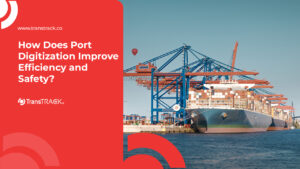
How Does Port Digitization Improve Efficiency and Safety?
Posted on October 30, 2026 by Nur Wachda Mihmidati
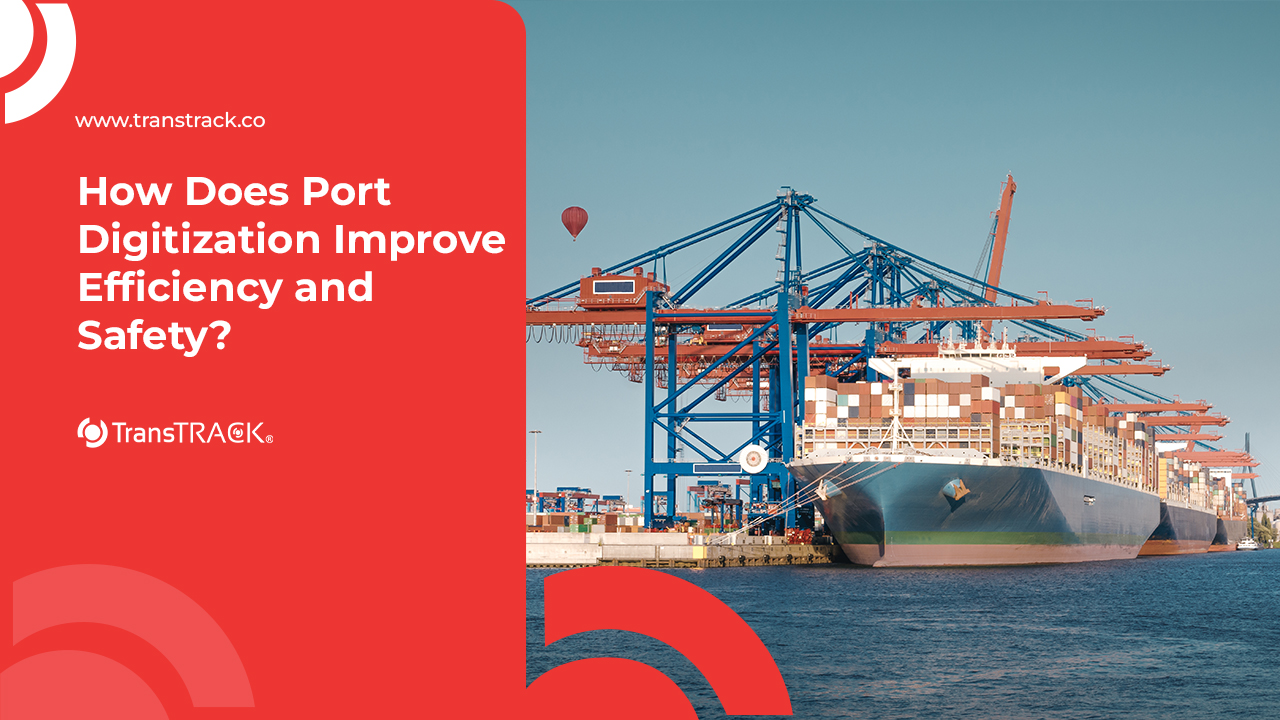
Port digitization is the application of digital technology to integrate and optimize various port operations, ranging from vessel and cargo monitoring to vehicle and terminal management. Technologies such as IoT, GPS, AIS, AI, and the Vessel Monitoring System (VMS) help improve efficiency, visibility, safety, and real-time decision-making. Check out the full explanation in the following TransTRACK article!
What Is Port Digitalization?
Port digitization is the application of digital technologies such as IoT, AI, GPS, AIS, and data analytics to integrate and optimize various port operations. These technologies enable more connected, real-time monitoring of ships, cargo, assets, and port areas.
The goal of digital transformation in ports is to improve efficiency, safety, visibility, and service quality. With integrated data, operators can reduce manual processes, optimize asset utilization, accelerate decision-making, and control operating costs.
Technology to Improve Port Efficiency
Various digital technologies can be implemented to connect ecosystems, monitor activities in real time, and optimize port operations. The following are the key technologies that can support this transformation:
Port Community System for Port Ecosystem Integration
The Port Community System (PCS) connects various stakeholders in the port ecosystem through a single digital platform. Data integration helps speed up the exchange of information and reduce manual administrative processes.
Terminal Operating System for Terminal Operations Management
The Terminal Operating System (TOS) helps manage terminal operations, from vessel scheduling and loading/unloading to container management. This system improves coordination and the utilization of terminal resources.
The Internet of Things for Asset Monitoring and Cargo Tracking
IoT enables sensors to transmit data in real time to monitor asset conditions and cargo movements. This information helps operators improve visibility and respond more quickly to operational conditions.
GPS Tracking for Monitoring Operational Vehicles
GPS tracking provides real-time location information for operational vehicles. Operators can monitor vehicle movements, optimize routes, and improve fleet efficiency.
AIS and Vessel Monitoring System for Monitoring Vessel Movements
AIS and the Vessel Monitoring System (VMS) help monitor the position, movement, and activities of vessels. This data supports vessel traffic management and enhances visibility of maritime activities around the port.
CCTV and Video Analytics for Port Security
CCTV systems equipped with video analytics can help monitor port areas and detect unusual activities or conditions. This technology supports enhanced security and a faster response to potential incidents.
Artificial Intelligence for Traffic Density Prediction and Operational Optimization
Artificial Intelligence (AI) can analyze operational data to predict traffic volume, identify patterns, and provide insights for optimization. This helps operators make decisions more quickly and accurately.
Blockchain for Transparency in Logistics Documents and Transactions
Blockchain can be used to record and share transaction data and logistics documents in a structured manner that is difficult to manipulate. This technology helps improve transparency, security, and trust among parties within the port ecosystem.
Vehicle Monitoring System at the Port
The vehicle monitoring system helps operators gain real-time visibility into the movements of their fleet within the port area. With the support of GPS and digital platforms, vehicle activities can be monitored and managed more efficiently.
Why Is Vehicle Monitoring Important in Port Areas?
Monitoring helps reduce wait times, manage vehicle movement, and improve fleet utilization. Real-time data also makes it easier for operators to identify delays and potential traffic congestion.
How the Vehicle Monitoring System at the Port Works
GPS devices installed in vehicles transmit location and activity data to the monitoring platform. This data is then displayed on the dashboard, allowing operators to monitor the fleet’s status and take action based on the latest information.
Monitoring Vehicle Location, Speed, Status, and Wait Time
Operators can monitor the location, speed, trip status, and wait time of each vehicle. This information helps identify vehicles that have been stopped for too long or are running late.
Vehicle Route Optimization to Reduce Lines and Traffic Congestion
Vehicle movement data can be used to determine more efficient routes and avoid congested areas. As a result, travel time and vehicle queues in operational areas can be reduced.
Integration of Vehicle Monitoring with Ship Schedules and Terminal Operations
The monitoring system can be integrated with information on ship schedules and terminal activities to align vehicle movements with operational needs. This integration helps reduce wait times and improve coordination.
Real-Time Dashboard for Monitoring Operational Vehicles
The real-time dashboard displays vehicle locations and statuses in a single view. Operators can monitor the fleet’s status, receive notifications, and evaluate vehicle activity to support faster decision-making.
Digital Transformation of the Port Industry
Digital transformation helps ports connect various processes, systems, and stakeholders within a more integrated ecosystem. It is implemented in phases to improve efficiency, visibility, and the quality of decision-making.
Stages of Port Digital Transformation Implementation
Implementation can begin with identifying needs and operational processes, followed by process digitization, system integration, and the use of data and automation. Periodic evaluations are necessary to ensure that the technology has a positive impact on port performance.
Digitization of Shipping, Cargo, and Land Logistics Services
Digitization enables shipping services, cargo management, and land transportation to be carried out through a more interconnected system. Information regarding schedules, cargo movements, and vehicles can be monitored more quickly and in a more structured manner.
System Integration to Improve Visibility of the Flow of Goods
The integration of port, terminal, vessel, and land-based logistics systems provides end-to-end visibility into the movement of goods. Connected data helps reduce fragmented information and improves coordination among stakeholders.
The Role of Real-Time Data in Reducing Port Congestion
Real-time data helps operators monitor vehicle traffic conditions, terminal activity, and vessel movements. This information can be used to manage schedules, optimize vehicle flow, and anticipate potential port congestion.
The Challenges of Digital Transformation in the Port Industry
Challenges may include infrastructure readiness, integration of legacy systems, data quality, investment costs, and human resource readiness. Coordination among stakeholders is also a key factor, as the port ecosystem involves many parties.
Cybersecurity and Data Protection in Port Operations
As port systems become increasingly interconnected, the need for cybersecurity grows. The implementation of access controls, encryption, system monitoring, data backups, and security updates is necessary to protect data and ensure operational continuity.
Conclusion
Port digitization is a crucial step toward improving efficiency, visibility, and safety in maritime operations. By integrating technologies such as IoT, GPS, AIS, and data analytics, operators can monitor vessel activity and manage operations based on real-time data.
To support more integrated vessel monitoring, TransTRACK Vessel Monitoring System (VMS) provides real-time visibility of vessel movements, complete with vessel activity monitoring, Smart ETA/ETD, port calls, port area monitoring, and voyage playback. Optimize your maritime operations withTransTRACKand create more connected, efficient, and smart ports.
FAQ
What is SPM at the Port?
SPM (Single Point Mooring) is an offshore mooring facility used by ships, particularly tankers, to load and unload cargo via a piping system without having to dock directly at a pier. SPM helps ensure that the cargo transfer process is efficient and safe.
What Is the Difference Between a Conventional Port and a Smart Port?
Conventional ports rely more heavily on manual processes and non-integrated systems. Meanwhile, smart ports utilize digital technologies such as IoT, AI, GPS, AIS, and data analytics to integrate processes, monitor activities in real time, and improve operational efficiency and safety.
What Is a BUP in a Port?
A BUP (Port Business Entity) is a business entity responsible for providing and managing port services in accordance with applicable laws and regulations. A BUP may carry out activities such as providing services for ships and cargo, as well as operating terminal facilities, in accordance with its license and operational area.
Recent Post
How Does Port Digitization Improve Efficiency and Safety?
October 30, 2026

What Is a Hydraulic Brake? How It Works and Its Main Components
October 28, 2026


Topic :