Bahasa Indonesia
Strategies for Managing Operational Vehicle Maintenance to Reduce Fleet Costs
Posted on June 19, 2026 by Nur Wachda Mihmidati
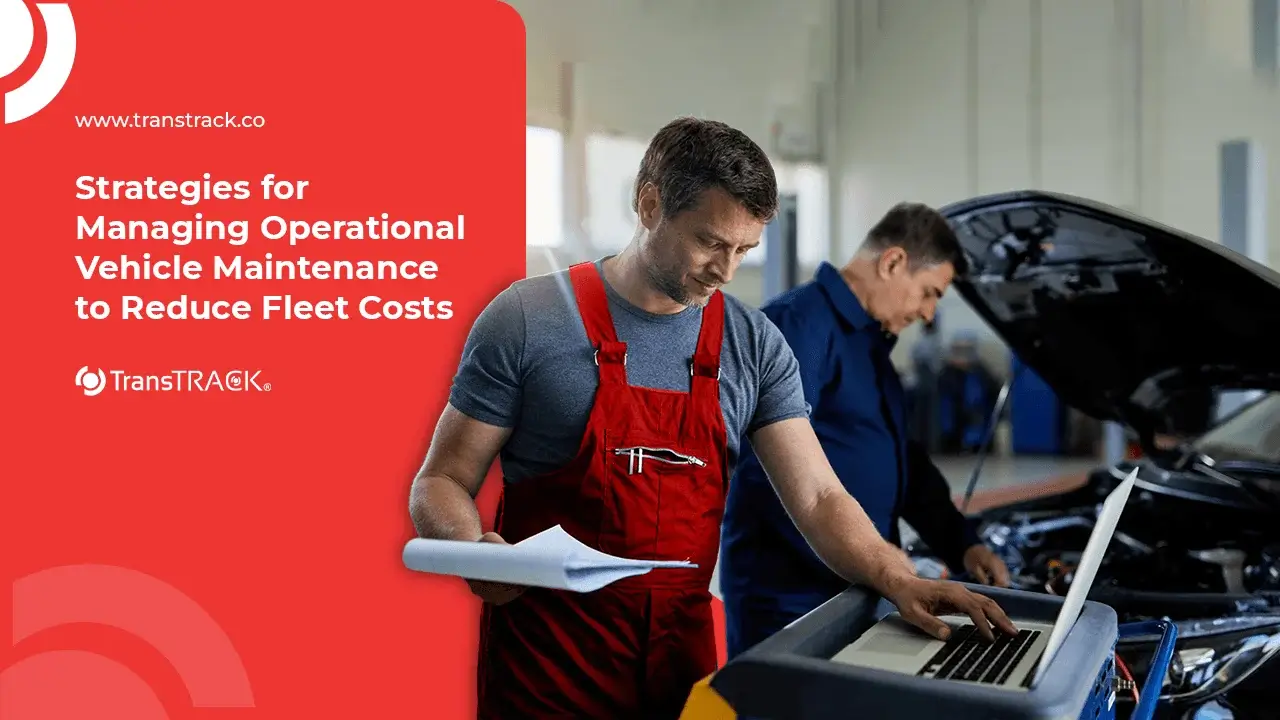
Operational vehicle maintenance management is a system that ensures a company’s entire fleet is always in top condition, safe, and ready for use. Through a structured approach involving service schedules, standard operating procedures (SOPs), and regular monitoring, companies can reduce the risk of breakdowns, lower operating costs, and improve overall efficiency and workplace safety. Read the full explanation in the following TransTRACK article!
What is Operational Vehicle Maintenance Management?
Operational vehicle maintenance management is the process of planning, executing, monitoring, and controlling maintenance activities for vehicles used to support company operations. The goal is to ensure that vehicles are always in optimal condition, safe to use, and capable of supporting business productivity without disruptions caused by unexpected breakdowns or downtime.
Maintenance of operational vehicles includes a variety of activities, such as routine servicing, replacement of parts, inspection of engine condition, tire monitoring, management of maintenance schedules, and recording the service history of each vehicle.
Why Does Your Company Need Fleet Management?
Vehicle maintenance management helps companies keep their fleets productive, safe, and efficient. In addition to reducing the risk of operational disruptions, scheduled maintenance also provides financial benefits and helps preserve the long-term value of the company’s assets.
Financial Efficiency (OPEX vs. CAPEX)
- Reduce the cost of unexpected repairs.
- Minimizing vehicle downtime.
- Optimizing fuel consumption.
- Extending the service life of the fleet.
- Putting off the need to invest in a new vehicle.
Occupational Health and Safety (OHS)
- Ensure that the vehicle is always in safe condition.
- Reducing the risk of accidents caused by mechanical failure.
- Supporting compliance with occupational safety and health standards.
- Protecting drivers and company assets.
Maintaining Asset Value (Resale Value)
- Keep your vehicle in top condition.
- Maintaining a high resale value.
- Preventing depreciation due to severe damage.
- Providing a well-documented treatment history.
3 Key Methods for Maintaining Operational Vehicles
In fleet management, companies generally use three main vehicle maintenance methods to maintain performance, reduce the risk of breakdowns, and ensure smooth operations.
Preventive Maintenance
- Conducted on a regular and scheduled basis.
- The goal is to prevent damage before it occurs.
- Examples: routine maintenance, oil changes, brake and tire inspections.
- Helps reduce the risk of breakdowns in the field.
Corrective Maintenance
- Performed after the vehicle has sustained damage.
- Focus on repairing the faulty components.
- Examples: engine repairs, replacement of damaged parts.
- Reactive to problems that have already occurred.
Predictive Maintenance
- Based on vehicle condition data.
- Using monitoring, sensors, or telematics.
- The goal is to predict potential damage at an early stage.
- Helps prevent unplanned downtime.
Matrix of Ideal Maintenance Intervals for Fleet Vehicles
The following is a general guide to maintenance intervals for operational vehicles, which can be adjusted based on the type of fleet, frequency of use, and operating conditions:
| Components / Systems | Preventive Maintenance | Routine Checkup | Replacement / Monitoring |
| Engine Oil | 5,000–10,000 km / 1–3 months | Check every week | Replace at the recommended intervals |
| Air Filter | 10,000–20,000 km | Check every month | Replace if dirty or clogged |
| Rem (Brake System) | 10,000–15,000 km | Check every week | Replace the brake pads when they are worn out |
| Ban (Tire) | Rotation every 8,000–10,000 km | Check your blood pressure daily | Replace when worn |
| Aki (Battery) | 6–12 months | Check every month | Replace if weak or loose |
| Cooling System (Radiator) | 20,000–40,000 km | Weekly fluid check | Periodic flushing |
| Transmission | 40,000–60,000 km | Check performance periodically | Change the transmission fluid |
| General Services | 3–6 months | Daily inspection | Overhaul as needed |
Note: The intervals listed above are general guidelines and may vary depending on the type of vehicle (light-duty, heavy-duty, or heavy equipment), road conditions, and operational load.
How to Set Up a Maintenance Management System for Operational Vehicles
Effective vehicle maintenance management must be systematically organized to ensure that the fleet is always ready for use, costs are kept under control, and the risk of breakdowns is minimized.
1. Vehicle Data and Identification
- Record all vehicle units (type, year, condition).
- Create a code/ID for each fleet.
- Gather the service and repair history, if available.
- Group the vehicles by operational function.
2. Establish Standards of Care
- Create a preventive maintenance schedule (based on mileage or time).
- Establish standard operating procedures (SOPs) for daily, weekly, and monthly inspections.
- Adjust the standards according to the type of vehicle and operational load.
- Identify the critical components that must be monitored.
3. Create a Structured Maintenance Schedule
- Use a calendar or fleet management system.
- Set up automatic reminders for routine maintenance.
- Avoid unscheduled maintenance (reactive only).
- Coordinate with operations to avoid disrupting production.
4. Monitoring Vehicle Condition
- Have the driver or a technician perform routine inspections.
- Use the standard vehicle condition checklist.
- Use technology (GPS/telematics) if available.
- Monitor signs of damage early on.
5. Record-Keeping and Documentation System
- Keep a record of all maintenance and repair activities.
- Keep a service history for each vehicle.
- Use a digital system to make tracking easier.
- Data analysis to identify patterns of damage.
6. Regular Evaluation and Optimization
- Analysis of maintenance costs versus vehicle performance.
- Identify vehicles with high maintenance costs.
- Revise the SOP based on operational data.
- Replace the unit if it is no longer efficient.
With a structured system, companies can improve operational efficiency, reduce downtime, and significantly extend the lifespan of their vehicles.
Standardization of Standard Operating Procedures for Operational Vehicle Maintenance
Standardizing SOPs is necessary to ensure that vehicle maintenance processes are consistent, measurable, and monitorable across the company’s entire fleet.
Step 1: Driver’s Daily Checklist (Pre-Trip Inspection)
- Inspect the condition of the tires, brakes, and lights before starting operations.
- Check the oil, coolant, and fuel.
- Make sure there are no leaks or visible damage.
- Vehicle condition report before and after the trip.
- Report any signs of a problem immediately.
Step 2: Creating a Centralized Service Schedule
- Set the service interval based on mileage or time.
- Create a maintenance schedule for the entire fleet.
- Adjust the schedule so as not to disrupt operations.
- Automatic reminders for routine maintenance.
- Integration with fleet management systems, if available.
Step 3: Document Feasibility Audit
- Ensure that the vehicle registration certificate, vehicle inspection certificate, and insurance are always valid.
- Monitoring the validity period of vehicle documents.
- Maintaining a digital archive of all fleet documents.
- Regular audits to mitigate legal and operational risks.
- Preventing vehicles from operating without the required documentation.
Step 4: Workshop Vendor Management (Fleet Workshop)
- Selecting an authorized or trusted repair shop.
- Standardization of prices and service quality.
- Evaluate vendor performance on a regular basis.
- Establishing a Service Level Agreement (SLA) with the repair shop.
- Ensuring the availability of spare parts and clear turnaround times.
Conclusion
Operational vehicle maintenance management is a critical component in ensuring that the fleet remains safe, reliable, and efficient. By implementing a structured maintenance strategy—ranging from preventive and corrective to predictive maintenance—companies can reduce operational costs, minimize the risk of downtime, and preserve asset value over the long term. Standardizing SOPs and leveraging data are also key to improving control and visibility across the entire fleet.
Optimize your fleet management with TransTRACK’s digital solutions through the Vehicle Maintenance System.
With this system, you can:
- Automatically track vehicle maintenance schedules
- Centrally manage service history and fleet condition
- Reduce downtime with data-driven maintenance notifications
- Improving cost efficiency and operational productivity of the fleet
It’s time to switch from manual maintenance to a smarter, integrated, real-time system with TransTRACK.
FAQ
What are the components that break down most frequently in operational vehicles?
Components that are subject to high levels of wear and tear include brake pads, tires (due to road conditions and inconsistent tire pressure), the battery, the oil filter, and the air filter.
Why are standard operating procedures (SOPs) for maintaining company vehicles so important to a company?
Standard operating procedures (SOPs) serve to standardize quality, prevent overlapping responsibilities, control maintenance costs, and ensure the safety of employees who use these vehicles.
How can you detect problems with company vehicles early on?
Train drivers to be alert to changes in engine noise, unusual odors, the check engine light on the dashboard, and reduced braking responsiveness.
What are the consequences if company vehicles are not maintained regularly?
Vehicles that are not regularly maintained may face an increased risk of breakdowns, higher repair costs, inefficient fuel consumption, and reduced operational productivity due to downtime.
How often should company vehicles undergo routine maintenance?
The frequency of routine maintenance depends on the type of vehicle and how often it is used, but it is generally performed every 5,000–10,000 km or once every 1–3 months to ensure optimal performance.
Recent Post




Topic :