Bahasa Indonesia
Understanding Speed Limiter, A Solution for Fleet Safety and Efficiency
Posted on July 20, 2026 by Nur Wachda Mihmidati
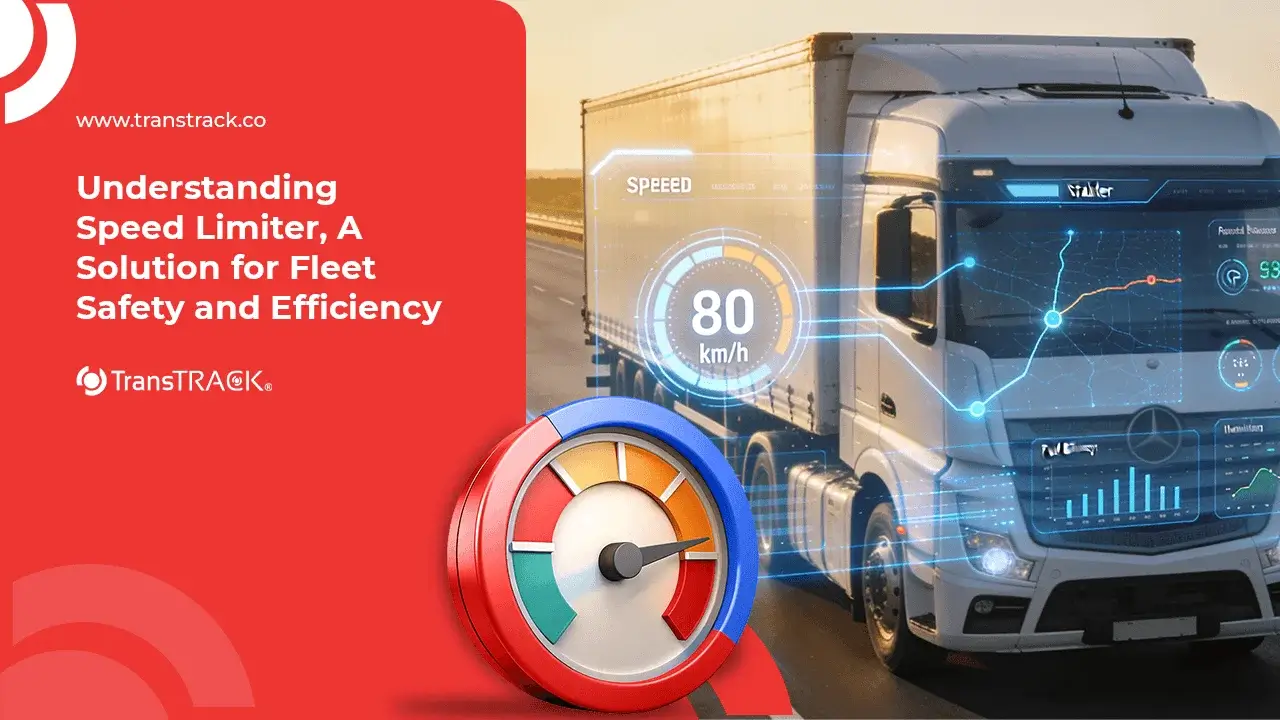
A speed limiter is a device that automatically limits a vehicle’s maximum speed to improve driving safety and operational efficiency. This technology is widely used in commercial vehicles such as trucks and buses to reduce the risk of accidents, save fuel, and ensure compliance with regulations. Check out the full explanation in the following TransTRACK article!
What is a Speed Limiter?
A speed limiter is an electronic device or system designed to limit a vehicle’s maximum speed so that it does not exceed a predetermined limit. When the vehicle reaches that speed, the system automatically reduces engine power so that the vehicle cannot go any faster.
What Is the Main Purpose of Using a Speed Limiter?
The primary purpose of using a speed limiter is to limit a vehicle’s maximum speed in order to improve safety, operational efficiency, and compliance with traffic regulations. By preventing vehicles from exceeding predetermined limits, the risk of accidents and operational costs can be reduced.
Here are some of the main purposes of using a speed limiter:
1. Improving driving safety
Speed limiters help reduce the risk of accidents caused by excessive speed. The lower the vehicle’s speed, the greater the driver’s ability to react to road conditions or emergency situations.
2. Reducing fuel consumption
Driving at a steady speed within the optimal range allows the engine to operate more efficiently, resulting in better fuel economy.
3. Extending the vehicle’s lifespan
High speeds can accelerate wear and tear on the engine, tires, braking system, and other components. By limiting speed, maintenance and repair costs can be reduced.
4. Ensuring compliance with regulations
In many countries, particularly for commercial vehicles such as trucks and buses, the use of speed limiters is required to comply with applicable safety standards and speed limits.
5. Improving fleet management efficiency
For logistics and transportation companies, speed limiters help maintain driver discipline, reduce speeding violations, and support fleet monitoring through telematics systems or Fleet Management Systems.
Why Is a Speed Limiter the “Key to Safety and Efficiency” for Your Business?
Speed limiters help companies manage their fleets more safely and efficiently by limiting vehicle speeds to established standards. In addition to reducing the risk of accidents, this technology also helps cut operating costs and boost productivity.
- Improving safety by reducing the risk of accidents caused by speeding.
- Saves fuel because the vehicle operates at a more fuel-efficient speed.
- Reducing maintenance costs by minimizing wear and tear on the engine, tires, and braking system.
- Improving compliance with company policies and safety regulations.
- Optimizing fleet management, especially when integrated with a Fleet Management System to monitor speed in real time.
With a speed limiter, businesses can ensure driver safety, protect company assets, and improve fleet operational efficiency.
How Does a Speed Limiter Work? The Technical Mechanism of the Vehicle System
How a speed limiter works depends on the type of system used in the vehicle. In general, this device monitors the vehicle’s speed and limits engine power when a predetermined speed limit is reached.
Common Rail Engine System (Modern Electronics)
The speed limiter operates through the ECU by reading data from the speed sensor. When the speed limit is reached, the ECU automatically restricts the fuel supply or engine power so that the vehicle cannot go any faster.
Conventional Engine System (Mechanical/Throttle Cable)
In conventional engines, the speed limiter restricts the throttle opening or the movement of the throttle cable to prevent the vehicle from exceeding a predetermined speed.
GPS Tracker Integration System (Modern Telematics)
The speed limiter is integrated with a GPS tracker or Fleet Management System (FMS) to limit speed while monitoring vehicles in real time, sending overspeed notifications, and recording trip history.
Strategic Steps for Implementing Speed Limiters in a Company’s Fleet
For speed limiters to deliver optimal results, companies need to implement them in a planned manner. Here are some strategic steps to ensure the system works effectively while supporting fleet safety and operational efficiency.
1. Analysis of Speeding Violation History (Overspeeding Audit)
Evaluate vehicle speed data to identify the fleets and drivers that most frequently exceed the speed limit, as a basis for policy decisions.
2. Choose a Compatible Speed Limiter Type
Select the appropriate type of speed limiter based on the vehicle type, engine system, and operational needs to ensure optimal performance.
3. Installation and Calibration in Accordance with the Manufacturer’s Standards
Make sure the installation is performed by an experienced technician and that the device is calibrated according to the vehicle’s specifications to ensure accuracy and safety.
4. Security Seals & Tamper Protection
Use seals or anti-tamper systems to prevent unauthorized manipulation or removal of the device.
5. Integrate with the Driver Scorecard
Connect the speed limiter to the Fleet Management System (FMS) to monitor speed compliance and evaluate driver performance using the driver scorecard.
Conclusion
Speed limiters are an important solution for improving fleet safety, efficiency, and operational compliance. By limiting vehicle speed, companies can reduce the risk of accidents, save on fuel consumption, lower maintenance costs, and improve driver discipline.
For optimal results, the speed limiter should be integrated with the Fleet Management System (FMS). Through TransTRACK Fleet Management System, companies not only gain access to the Speed Limiter feature, but also real-time vehicle monitoring, overspeed notifications, driver behavior analysis, and comprehensive operational reports—all on a single platform.
Improve the safety and efficiency of your fleet with the TransTRACK Fleet Management System. Contact the TransTRACK team today to learn how our solutions can help optimize your business operations.
FAQ
What is the function of a speed limiter in a vehicle?
A speed limiter is designed to restrict a vehicle’s maximum speed so that it does not exceed a predetermined limit. This technology helps improve driving safety, save fuel, reduce vehicle wear and tear, and promote compliance with traffic regulations.
Are speed limiters mandatory for trucks and buses in Indonesia?
Yes. The installation of speed limiters on certain commercial vehicles, such as trucks and buses, is regulated by Ministry of Transportation Regulation No. 26 of 2015 on Road Traffic and Transportation Safety Standards, which serves as one of the benchmarks for vehicle safety standards. This regulation mandates the use of speed limiters as one of the safety standards for vehicles in accordance with applicable provisions, with the aim of improving safety and reducing the risk of accidents caused by excessive speed.
Can installing a speed limiter damage a vehicle’s engine?
No, as long as you use a device that meets the vehicle’s specifications and is installed by a qualified technician. Speed limiters are designed to safely limit speed without damaging the engine or the vehicle’s systems. In fact, when used properly, they can help reduce the engine’s workload and extend the life of the vehicle’s components.
Recent Post




Topic :