Bahasa Indonesia
Smart Ports in the Digital Age: The Key to Logistics Efficiency and Sustainability
Posted on May 28, 2026 by Nur Wachda Mihmidati
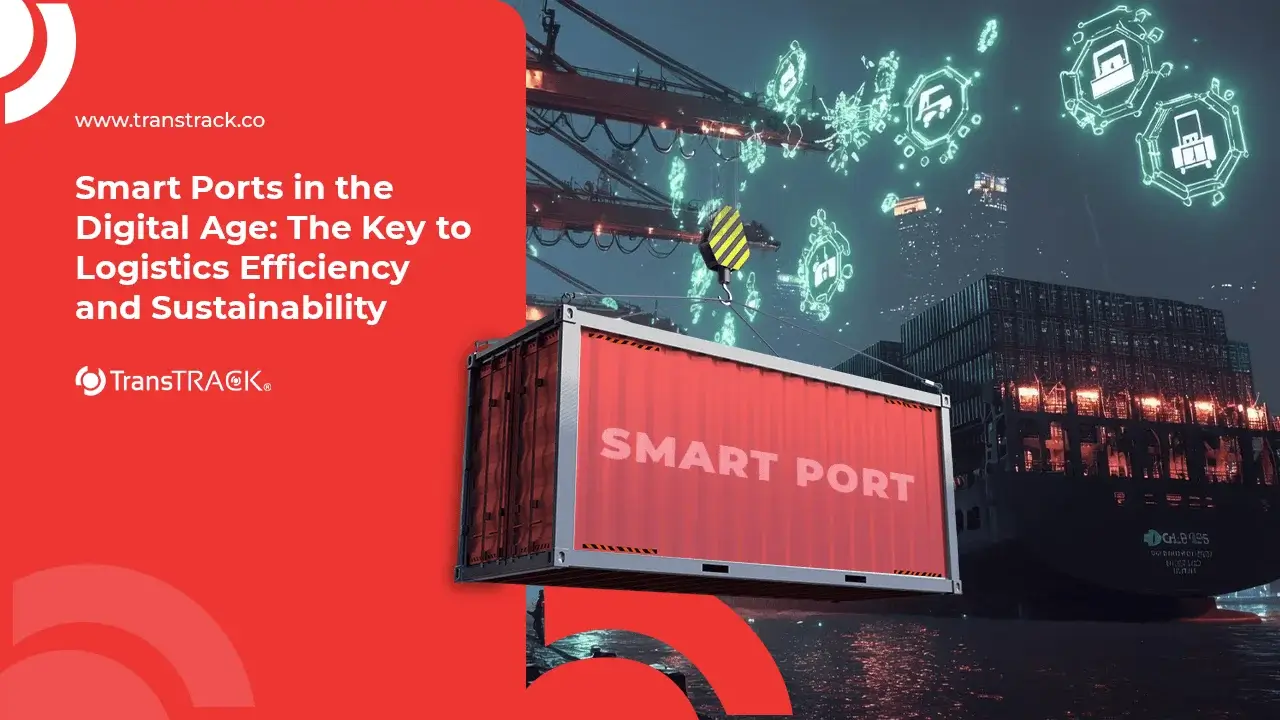
The transformation of ports into Smart Ports is a strategic step toward improving efficiency, transparency, and sustainability in modern logistics operations. With the support of technologies such as IoT, AI, and integrated digital systems, smart ports enable real-time management of vessel and cargo flows and minimize bottlenecks in the global supply chain. Learn more with TransTRACK!
What Is a Smart Port?
A smart port is a port that leverages digital technology, automation, and data integration to improve operational efficiency, security, and the smooth flow of logistics within the port area.
This concept integrates various technologies, including the Internet of Things (IoT), Artificial Intelligence (AI), sensors, CCTV analytics, tracking systems, and an integrated port management platform—to monitor and manage port operations in real time.
The Main Objective of Smart Port
The primary goal of a smart port is to improve port operational efficiency, productivity, and transparency through the use of digital technology and automation.
Here are some of the main objectives of implementing smart ports:
1. Improving Operational Efficiency
Smart ports help streamline loading and unloading processes, container management, and the movement of vehicles and ships within the port area, making operations more organized and minimizing disruptions.
2. Reducing Dwell Time
With real-time monitoring and data integration systems, waiting times for goods at the port can be reduced, thereby speeding up logistics distribution.
3. Improving Visibility and Monitoring
All port activities can be monitored in real time, from the locations of ships, containers, and heavy equipment to operational vehicles.
4. Strengthening Port Security
Smart ports utilize CCTV analytics, sensors, and surveillance systems to enhance port security and reduce the risk of violations or accidents.
5. Optimizing Infrastructure Utilization
Smart port technology helps manage terminals, yards, docks, and operational equipment to ensure that port capacity is utilized to the fullest.
6. Supporting the Integration of the Logistics Ecosystem
A smart port connects various stakeholders—such as port operators, shipping lines, trucking companies, customs authorities, and cargo owners—within a single integrated system.
7. Reducing Operating Costs
Automation and data analysis help companies reduce fuel costs, idle time, operational errors, and inefficient use of resources.
8. Supporting Green Ports and Sustainability
Smart ports also aim to reduce emissions, energy consumption, and environmental impact through more efficient, data-driven operations.
9. Improving Port Service Quality
Services for ships, cargo owners, and logistics companies have become faster, more transparent, and more accurate.
10. Supporting the Digital Transformation of the Maritime Industry
Smart ports play a vital role in port modernization and in strengthening both national and international supply chains.
In practice, TransTRACK’s technologies such as the Port Surveillance System, Vessel Management System, Cargo Monitoring System, and Bunker Monitoring System help ports achieve more integrated and efficient operations.
Why Should Ports Become “Smart Ports”?
The transition to a smart port is a crucial step for modern ports to meet the demands of global trade, accelerate the distribution of goods, and address the need for more efficient and sustainable operations.
1. Supply Chain Efficiency
Smart ports help reduce barriers to the flow of international goods through the automation and integration of logistics systems.
With digital technology, processes such as:
- Ship loading and unloading
- Container management
- Ship Scheduling
- Document review
- Port vehicle traffic
can be carried out more quickly and in a coordinated manner. This helps reduce dwell time and streamline the supply chain as a whole.
2. Competitive Advantage
Ports that implement smart port technology are more competitive in attracting shipping companies and international trade.
Ship operators tend to choose ports that can provide:
- Shorter turnaround time
- Fast service
- Operational transparency
- Confirmation of the ship’s schedule
- Monitoring real-time
The more modern a port system is, the greater its potential to become a strategic logistics hub in the region and globally.
3. Environmental Sustainability
Smart ports support the concept of green ports through the use of technologies that help reduce carbon emissions and energy consumption.
For example:
- Smarter vessel traffic management to reduce vessel queues
- Optimizing the use of heavy equipment and operational vehicles
- Monitoring fuel consumption
- Reduction of vehicle and ship idle time
With more efficient operations, the environmental impact of port activities can also be reduced.
4. Data Transparency
One of the key advantages of a smart port is real-time data visibility for all parties in the supply chain.
Cargo owners, port operators, trucking companies, and shipping lines can monitor:
- Ship’s position
- Status container
- Cargo movement
- Operating hours
- Condition of the terminal area
in a more accurate and transparent manner. This facilitates faster decision-making and reduces the risk of delays and operational errors.
Through digital solutions such as the Port Surveillance System, Vessel Management System, Cargo Monitoring System, and Bunker Monitoring System, TransTRACK helps support the transformation of smart ports into more efficient, integrated, and sustainable facilities.
5 Core Technologies That Power Smart Ports
The transformation of smart ports is inseparable from the implementation of various integrated digital technologies designed to enhance port operational efficiency, security, and visibility.
1. Internet of Things (IoT)
The Internet of Things (IoT) enables ports to automatically collect data through sensors installed on various operational assets.
The application of IoT in smart ports includes:
- Sensors on heavy equipment and cranes
- Monitoring container conditions
- Tracking of operational vehicles
- Dock and terminal area sensors
- Monitoring fuel and energy consumption
The collected data helps port operators monitor operations and make decisions in real time.
2. Artificial Intelligence (AI)
Artificial Intelligence is used to analyze operational data and provide automated predictions and recommendations.
Examples of AI implementation in smart ports include:
- Ship arrival schedule forecast
- Container stacking optimization
- Terminal Density Analysis
- Heavy equipment maintenance predictions
- Detection of anomalies and potential operational risks
With AI, port operations become more efficient and less prone to disruptions.
3. 5G & Ultra-Fast Connectivity
The 5G network supports low-latency data communication and stable connections in port areas.
This technology enables:
- Automatic crane remote control
- Operasional Autonomous Guided Vehicle (AGV)
- High-quality real-time CCTV streaming
- Instant communication between systems
- Simultaneous monitoring of a large number of assets
High-speed connectivity is the cornerstone of modern smart port automation.
4. Blockchain
Blockchain helps improve the security and transparency of data exchange and digital documents in port logistics operations.
Examples of its application:
- e-Bill of Lading (e-BL)
- Digital document verification
- Logistics Transaction Tracking
- Supply chain transparency
- Reduced risk of data manipulation and fraud
With blockchain, administrative processes become more secure, faster, and more reliable.
5. Digital Twin
A digital twin is a virtual representation of a port used to conduct digital simulations and operational analyses.
This technology helps:
- Testing operational scenarios before implementation
- Terminal density simulation
- Analysis of vehicle and container flow
- Prediction of operational bottlenecks
- Port Infrastructure Development Planning
Digital twins help operators minimize risks and improve planning efficiency.
In practice, these various technologies can be integrated with TransTRACK’s solutions to create more modern and connected port operations.
Challenges in Implementing Smart Ports
Although it offers many benefits, the implementation of smart ports also faces various challenges that port operators and other stakeholders must carefully prepare for.
1. Infrastructure Investment
One of the biggest challenges in implementing smart ports is the need for significant upfront investment.
Ports need to provide various types of infrastructure, such as:
- IoT sensors and monitoring devices
- Network and server systems
- CCTV dan surveillance analytics
- Port management software
- 5G infrastructure and data connectivity
- Heavy equipment and terminal automation
In addition to implementation costs, a budget is also needed for maintenance, system integration, and regular technology updates.
2. Cybersecurity
As port operational systems become increasingly interconnected, the risk of cyber threats to critical infrastructure increases.
Some risks to anticipate include:
- Hacking of logistics data and digital documents
- Disruptions to port operations
- Ransomware attack
- Data breaches involving ships and cargo
- Manipulation of tracking and monitoring systems
Therefore, smart ports require robust cybersecurity systems, including data encryption, network monitoring, access controls, and disaster recovery systems.
3. Human Resource Readiness
The digital transformation of ports requires human resources capable of operating and managing modern technology.
Human resources challenges include:
- Shortage of maritime technology experts
- Workers’ adaptation to the new digital system
- The need for technology-based operational training
- Understanding of data analytics and automation
- Collaboration between the operations and IT teams
Without adequate human resources, the implementation of a smart port may not run as smoothly as it could.
4. Inter-System Integration
Many ports still use different operational systems, making data integration a challenge in itself.
Synchronization is required between:
- Terminal system
- Shipping line
- Customs
- Trucking management
- Vessel scheduling
- Warehouse dan yard management
So that the entire logistics ecosystem can operate in a connected and real-time manner.
5. Regulation and Standardization
The implementation of smart ports also requires clear regulatory support regarding:
- Digital data exchange
- Information security
- System interoperability standards
- Use of electronic documents
- Port operational compliance
Standardization is essential to ensure that technology can be implemented consistently and seamlessly.
Through integrated digital solutions, TransTRACK helps support the transformation of smart ports to make them safer, more efficient, and better equipped to meet the challenges of the modern maritime industry.
Conclusion
Smart ports represent a significant transformation in the port industry, integrating digital technologies such as IoT, AI, 5G, blockchain, and digital twins to create more efficient, transparent, and sustainable operations. By implementing smart port solutions, ports can reduce supply chain bottlenecks, improve service speed, enhance security, and provide real-time data visibility to all stakeholders.
However, the success of smart port implementation also depends on infrastructure readiness, cybersecurity, human resources, and effective system integration across the entire logistics ecosystem.
Optimize your port’s transformation into a more modern and integrated smart port. Enhance visibility, safety, and operational efficiency for vessels in real time with the Vessel Monitoring System from TransTRACK.
With an accurate, centralized vessel monitoring system, you can:
- Monitoring the ship’s position in real time
- Improving coordination of vessel berthing schedules and movements
- Reducing the risk of delays and operational inefficiencies
- Supporting data-driven decision-making
It’s time to switch to digital solutions for smarter, safer, and more competitive ports.
FAQ
What is the difference between a traditional port and a Smart Port?
Traditional ports rely on manual input and physical coordination, whereas Smart Ports utilize automation, automated data exchange (APIs), and predictive analytics to enable faster, more accurate, and integrated decision-making.
What are the main environmental benefits of Smart Port?
Smart Port helps reduce greenhouse gas emissions by minimizing vessel idle time and optimizing energy use at the terminal through more efficient, data-driven operational systems.
What are some examples of Smart Ports currently in operation around the world?
Some examples of ports that have significantly adopted the smart port concept include the Port of Rotterdam, the Port of Hamburg, and the Port of Shanghai, which are known as pioneers in the implementation of digital technology and automation in the port sector.
What technologies are used in a Smart Port?
Smart ports typically use technologies such as the Internet of Things (IoT), artificial intelligence (AI), 5G, blockchain, and digital twins to improve efficiency, security, and real-time operational visibility at ports.
What is the biggest challenge in implementing a Smart Port?
The biggest challenges include the high cost of infrastructure investment, cybersecurity risks to port digital systems, and the readiness of human resources to operate data-driven and automated technologies.
Recent Post




Topic :