Bahasa Indonesia
Marine Technology in the Transformation of the Modern Maritime Industry
Posted on May 25, 2026 by Nur Wachda Mihmidati
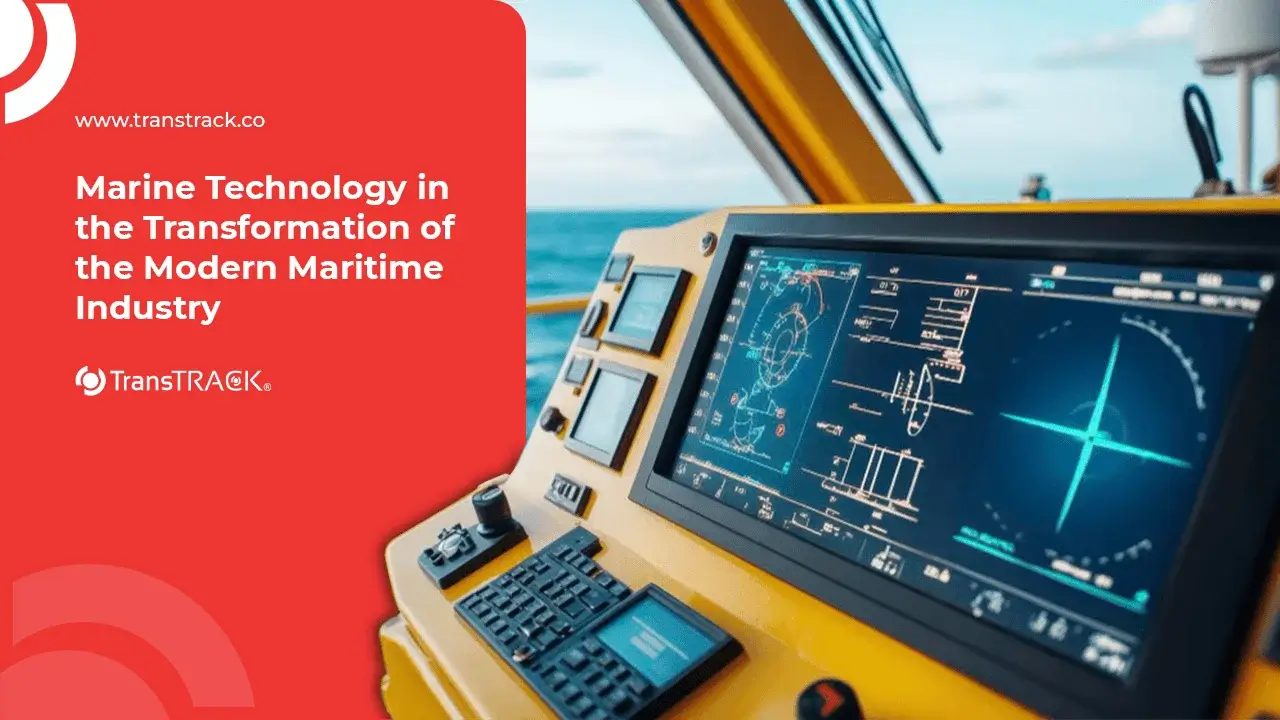
Marine technology is a field of technology that focuses on leveraging digital innovations, navigation systems, robotics, and marine data to support maritime activities such as shipping, logistics, and exploration, while improving the efficiency, safety, and sustainability of the maritime industry. Read more about it in the following article on TransTRACK!
What is Marine Technology?
Marine technology is technology designed to support activities at sea, ranging from ship operations, ports, and maritime logistics to safety and environmental monitoring in waterways. This technology combines digital systems, sensors, satellite communications, automation, and data analytics to improve the efficiency, safety, and sustainability of the maritime industry.
In practice, marine technology is used in various sectors, including shipping, offshore operations, fisheries, ports, and maritime defense.
Key Areas in the Marine Technology Ecosystem
Marine technology encompasses a wide range of interconnected disciplines and digital innovations that support operations, exploration, safety, and the sustainability of modern maritime activities. Here are some of the key areas within the marine technology ecosystem:
Ocean Engineering
Focusing on the design, construction, and development of offshore infrastructure, modern ship structures, offshore platforms, and marine operational support systems capable of withstanding extreme conditions.
Marine Robotics & Sensing
The use of marine robotics technologies such as Autonomous Underwater Vehicles (AUVs), Remotely Operated Vehicles (ROVs), and underwater drones for inspection, seafloor mapping, environmental monitoring, and unmanned exploration.
Marine Biotechnology
The use of marine organisms such as algae, microorganisms, and marine life for various industrial applications, including pharmaceuticals, food, cosmetics, and the development of renewable energy sources such as biofuels.
Satellite Navigation & Communication
The integration of GPS, AIS (Automatic Identification System), radar, satellite, and IoT technologies to enhance maritime safety, enable real-time vessel monitoring, and improve maritime communication efficiency.
Key Technologies Transforming the Maritime Industry
Advances in digital technology and sustainable energy are driving major transformations in the maritime sector. A range of cutting-edge innovations are now being used to improve operational efficiency and maritime safety, as well as to support global carbon emission reduction targets.
Autonomous Surface Vessels (ASV)
Unmanned vessels that use automated systems, sensors, radar, and Artificial Intelligence (AI) to operate independently. This technology represents the future of maritime logistics transportation because it can improve efficiency, reduce human error, and lower operating costs.
Digital Twin for Oceans
Virtual simulation technology that digitally replicates ocean conditions and marine ecosystems using real-time data. Digital twins are used to predict climate change, monitor ocean conditions, support marine research, and facilitate data-driven decision-making.
Green Propulsion System
Innovations in eco-friendly ship propulsion systems that utilize alternative energy sources such as hydrogen, solar power, LNG, and electric batteries. This technology supports the concept of green shipping to reduce carbon emissions and enhance the sustainability of the global shipping industry.
Global Challenges and the Role of Marine Technology
The maritime industry faces a range of increasingly complex global challenges, from environmental issues to cybersecurity. In this context, marine technology plays a vital role as an innovative solution for ensuring sustainability, efficiency, and operational safety in the maritime sector.
Ocean Decarbonization
Maritime technology plays a significant role in achieving the Net Zero Emissions target in the shipping sector through the use of green propulsion systems, AI-based route optimization, real-time fuel consumption monitoring, and the development of low-emission vessels.
Plastic Waste Cleanup
Innovations such as autonomous cleaning vessels, AI-powered sensors, and marine debris detection systems help identify and collect plastic waste in the oceans more efficiently, thereby supporting efforts to preserve the global marine ecosystem.
Maritime Cybersecurity
With the increasing digitization of navigation and port systems, cybersecurity has become crucial. Marine technology plays a key role in protecting navigation data, ship communication systems, and port infrastructure from hacking threats and global cyberattacks.
Conclusion
Marine technology has become a critical foundation for the transformation of the modern maritime industry. From marine engineering and underwater robotics to satellite-based navigation systems, these innovations play a key role in enhancing operational efficiency, maritime safety, and marine environmental sustainability. Amid global challenges such as decarbonization, marine pollution, and cybersecurity threats, maritime technology continues to evolve into strategic solutions that drive the industry toward becoming smarter, safer, and more integrated.
To address the complexities of today’s maritime operations, real-time and accurate fleet visibility and control are essential. Vessel Monitoring System from TransTRACK offers a solution for monitoring vessel positions, operational activities, fuel consumption, and fleet performance—all integrated into a single platform.
With this technology, companies can improve the efficiency of shipping routes, reduce operational risks, and better ensure compliance with global maritime regulations.
FAQ
What are some real-life examples of marine technology in everyday life?
Examples include the use of accurate GPS navigation systems for global shipping, monitoring extreme weather conditions via ocean sensor buoys, and harvesting energy from ocean waves.
Why is marine technology important for the blue economy?
This technology enables the more efficient and sustainable use of marine resources, such as fisheries and minerals, without compromising the sustainability of marine ecosystems.
How does marine technology help improve maritime safety?
Marine technology helps with real-time vessel monitoring systems, early detection of severe weather, and the integration of AIS and radar to prevent collisions at sea.
What role does AI play in the marine technology industry?
AI is used for marine data analysis, ship route optimization, weather forecasting, detection of ship engine anomalies, and to support autonomous navigation systems.
What is the biggest challenge in implementing marine technology?
The main challenges include high implementation costs, limited digital infrastructure in some maritime regions, and the need for strict cybersecurity standards.
Recent Post





Topic :