Bahasa Indonesia

Key Performance Indicators (KPIs) in Fleet Management That Must Be Monitored
Posted on October 12, 2026 by Nur Wachda Mihmidati
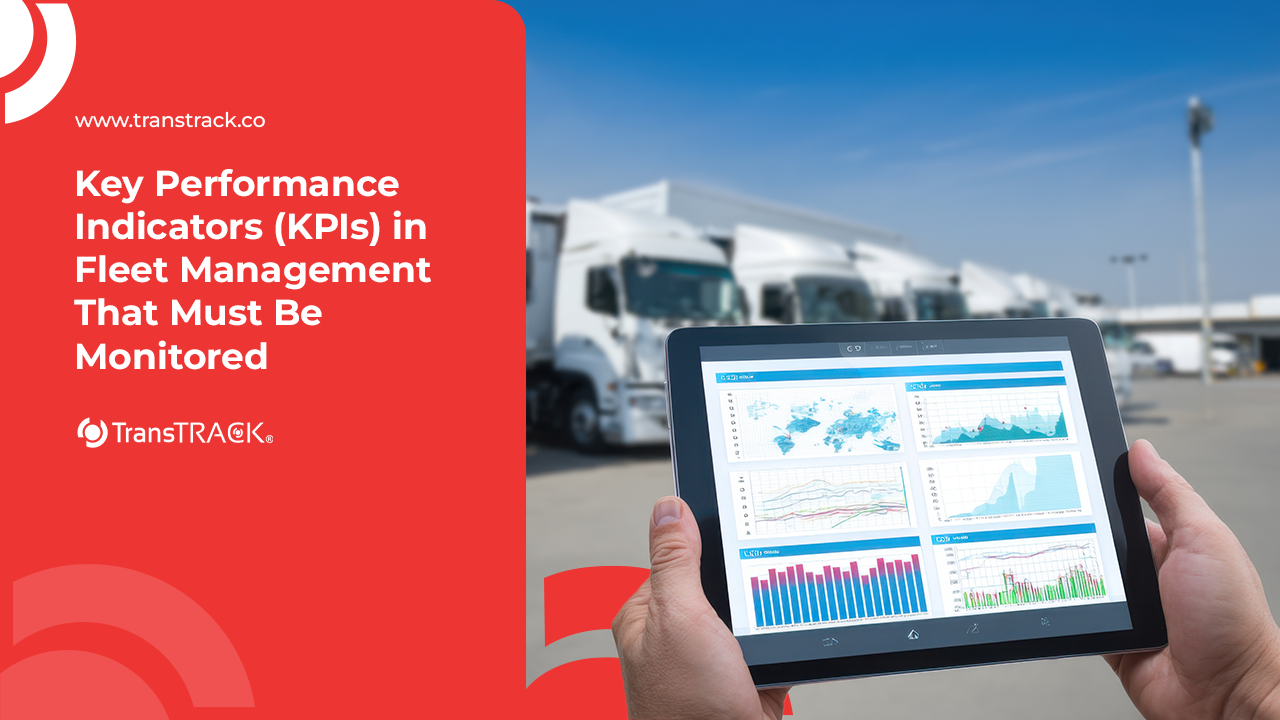
Key Performance Indicators (KPIs) in fleet management are measurable metrics used to evaluate the performance of the fleet, vehicles, and drivers. KPIs help fleet managers objectively monitor fuel efficiency, driving safety, vehicle condition, fleet utilization, and operational effectiveness. With a Fleet Management System (FMS), these various KPIs can be monitored in an integrated, data-driven manner. Read the full explanation in the following TransTRACK article!
Apa Itu Key Performance Indicators (KPI) dalam Fleet Management?
Key Performance Indicators (KPIs) in fleet management are measurable metrics used to evaluate the performance of the fleet, vehicles, and drivers. KPIs help fleet managers determine whether operations are running efficiently, safely, and in line with established targets.
Some KPIs may include fuel consumption, driver behavior, vehicle utilization, maintenance costs, and on-time delivery. By consistently monitoring these indicators, companies can identify problems early on and determine corrective actions based on data.
Benefits of Monitoring Fleet KPIs Using a Fleet Management System
Manually monitoring KPIs can be time-consuming and may result in inconsistent data. Using a Fleet Management System (FMS) helps collect and present fleet data in a more structured way.
Some of the benefits include:
- Reducing reliance on manual record-keeping, which is prone to human error, delayed data entry, and data manipulation.
- Improve transparency regarding operating costs, including fuel consumption, maintenance costs, and vehicle-related expenses.
- Supports data-driven decision-making to optimize routes, driver schedules, vehicle utilization, and other operational activities.
- Makes it easier to identify performance deviations through dashboards and reports that can be monitored on a regular basis.
Key Performance Indicators (KPI) Utama yang Wajib Dipantau Fleet Manager
Each company may have different KPIs depending on its fleet type and operational goals. However, there are several main categories of KPIs that are commonly used in fleet management.
1. Fuel Efficiency Metrics
Fuel consumption is one of the largest cost components in vehicle operations. Fleet managers can monitor fuel consumption based on mileage, operating time, or vehicle type.
Indicators that can be monitored include:
- Fuel consumption per kilometer.
- Total fuel consumption.
- Fuel costs per vehicle.
- Comparison of actual fuel consumption with the vehicle’s standard fuel consumption.
- Potential for misuse or unreasonable use of fuel.
This data can help companies evaluate vehicle efficiency and identify instances of fuel waste.
2. Safety Metrics & Driver Behavior Metrics
Driver behavior has a direct impact on safety, fuel consumption, and vehicle condition. Therefore, fleet managers need to monitor driving patterns objectively.
Some indicators that can be used include:
- Number of speeding incidents.
- Frekuensi hard braking dan hard acceleration.
- Vehicle idle time.
- Frequency of aggressive driving.
- Number of accidents or incidents.
- Level of compliance with traffic rules.
Regular monitoring allows companies to provide evaluations and training programs to drivers based on actual data.
3. Metrik Pemeliharaan & Aset (Vehicle Maintenance & Asset Metrics)
Vehicle condition affects operating costs, productivity, and fleet availability. Maintenance KPIs help fleet managers ensure that vehicles remain in optimal condition.
Indicators that can be monitored include:
- Frequency and cost of vehicle maintenance.
- Timely routine maintenance.
- Vehicle downtime.
- Vehicle utilization rate.
- Number of malfunctions or breakdowns.
- Maintenance costs per vehicle.
With this data, companies can shift from a reactive maintenance approach to a more planned maintenance approach.
4. Operational Efficiency and Delivery Metrics
In addition to vehicles and drivers, fleet managers need to assess how effectively the fleet supports the overall operational process.
Some KPIs that can be used include:
- On-time delivery rate.
- Distance traveled per trip.
- Travel time.
- Vehicle utilization.
- Number of trips completed.
- Vehicle idle time.
- Loading and unloading times.
- Operating costs per trip.
These KPIs help the company evaluate whether the fleet is being used optimally and whether the delivery process is proceeding according to plan.
Steps to Optimize KPI Monitoring Using FMS
To ensure that KPIs aren’t just numbers in a report, fleet managers need to use them as the basis for evaluations and operational decisions.
Here are a few steps you can take:
- Determine benchmarks and thresholds for each KPI based on vehicle characteristics, job type, and company targets.
- Set up automatic notifications (real-time alerts) when deviations occur in critical metrics, such as unusual fuel consumption, speeding, or aggressive driving.
- Analyze KPI trends on a regular basis to identify patterns of improvement or decline in fleet performance.
- Use weekly or monthly reports from FMS as the basis for evaluating drivers and the fleet.
- Link KPI achievements to the driver incentive program so that improvements in safety and efficiency become part of the operational culture.
- Take corrective action based on data, not just on reports or assumptions made in the field.
Conclusion
KPIs are a crucial part of fleet management because they provide a measurable snapshot of efficiency, safety, vehicle condition, and operational productivity. However, the effectiveness of KPI monitoring depends heavily on the quality and availability of data.
With the Fleet Management System, data such as fuel consumption, driver behavior, vehicle location, fleet utilization, and operational activities can be monitored in a more integrated manner. Fleet managers can then use this data to identify issues, evaluate performance, and make more informed decisions.
Through consistent, data-driven KPI monitoring, companies can optimize fleet utilization while improving operational efficiency.
FAQ
Why are KPIs important for a Fleet Manager?
KPIs help fleet managers objectively measure fleet performance. With KPIs, fleet managers can identify areas that have met their targets as well as operational areas that need improvement.
What are the most important KPIs in vehicle fleet management?
There is no single KPI that applies to all companies. The KPIs that are prioritized need to be aligned with operational goals. However, fuel efficiency, driver safety and behavior, vehicle utilization, maintenance costs, and operational punctuality are some of the indicators that are commonly monitored.
How does a Fleet Management System (FMS) help calculate KPIs automatically?
FMS collects data from vehicles and operational activities, then processes it into information such as mileage, fuel consumption, speed, driving behavior, vehicle utilization, and trip activity. This data can be displayed via dashboards and reports, so fleet managers do not need to perform manual calculations.
What is the ideal score for the accident or aggressive driving KPI?
For accident indicators, the ideal target is, in principle, zero accidents. As for aggressive driving behaviors such as speeding, hard braking, and hard acceleration, targets should be set based on safety standards and the company’s operational characteristics. The most important thing is to establish clear thresholds, monitor trends, and conduct evaluations when deviations occur.
Recent Post

How Does Port Digitization Improve Efficiency and Safety?
October 30, 2026
What Is a Hydraulic Brake? How It Works and Its Main Components
October 28, 2026


Topic :