Bahasa Indonesia
5 Ways to Prevent Fuel Theft from Trucks to Improve Fleet Efficiency
Posted on June 23, 2026 by Nur Wachda Mihmidati
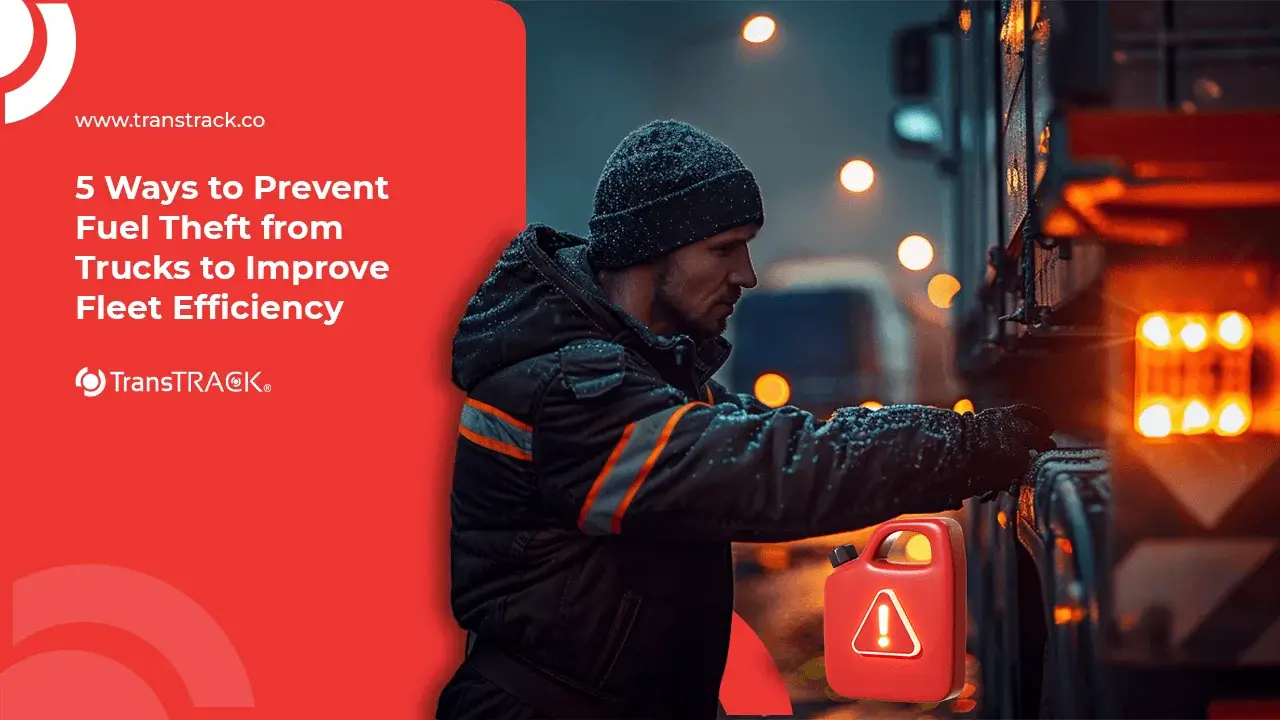
Fuel theft from trucks is one of the hidden causes of rising fleet operating costs. This practice can occur in various ways, ranging from siphoning diesel directly from the tank to manipulating fueling transactions. If undetected, fuel theft can reduce profit margins, compromise the accuracy of fuel consumption data, and hinder a company’s efforts to improve operational efficiency. Therefore, it is important for fleet owners to understand the risks, common methods, and prevention strategies through the implementation of appropriate technology and monitoring systems. Read more about this in the following article TransTRACK!
What Is Fuel Theft from Trucks?
Truck fuel theft is the act of taking or misusing fuel (diesel) from a truck’s tank without authorization, whether by external parties or internal personnel involved in fleet operations.
This practice can take various forms, such as:
- Pumping diesel directly from the truck’s tank.
- Reduction in fuel volume during refueling.
- Manipulation of receipts or fuel purchase transactions.
- Diversion of a portion of fuel for resale.
- Misuse of the fleet’s BBM card for other vehicles.
Fuel theft is one of the main causes of rising transportation operating costs because it is difficult to detect without an adequate monitoring system. The impact is not only financial loss, but also reduced fleet efficiency, disrupted delivery schedules, and difficulties for companies in controlling fuel consumption.
To prevent fuel theft, companies typically implement technologies such as GPS tracking, fuel sensors, fuel monitoring systems, geofencing, and real-time fuel consumption reports to detect fuel usage anomalies more quickly.
Why Is Fuel Theft from Trucks a “Silent OPEX Killer” for Your Business?
Fuel theft often goes undetected, but it can steadily erode a company’s profits through increased operating costs and inaccurate fuel consumption data.
Profit Margin Leakage
- Operating costs are rising without a corresponding increase in productivity.
- Shipping profit margins are declining.
- The fuel budget has ballooned.
- The fleet’s profits have been gradually declining.
Psychological Impact & Work Culture
- Eroding trust between management and drivers.
- It fosters a culture of indiscipline in the workplace.
- Increases the risk of operational violations.
- Hampers the company’s efficiency program.
Inaccuracies in FCR Calculations
- Fuel consumption appears to be higher than it actually is.
- Driver performance evaluations become inaccurate.
- The analysis of fleet efficiency is biased.
- Fuel demand planning is inadequate.
4 Common Modus Operandi for Fuel Theft from Trucks
Fuel theft does not always occur in obvious ways. In fleet operations, there are several methods frequently used to steal or misuse fuel, both by external parties and by internal individuals.
Siphoning (Direct Suction)
- Gasoline is drawn directly from the tank using a hose or pump.
- This is generally done when the vehicle is stopped or parked.
Fuel Dumping on the Road
- The driver sold some of the diesel fuel to others during the trip.
- It is difficult to detect without a fuel monitoring system.
Manipulation of Vouchers and Receipts (Receipt Fraud)
- Falsification or inflation of fuel purchase amounts.
- The difference in funds was used for personal gain.
Fuel Card Fraud
- The fleet’s BBM card is used for other vehicles.
- This has caused the company’s fuel costs to skyrocket without any clear operational justification.
5 Strategic Steps to Prevent Fuel Theft from Trucks
Preventing fuel theft requires a combination of technology, operational procedures, and consistent monitoring. Here are some steps that can be taken to reduce the risk of fuel loss in a truck fleet.
Installation of an IoT-Based Fuel Level Sensor (FLS)
- Monitoring fuel volume in real time.
- Detect unusual fuel consumption.
- Generates automatic notifications when anomalies occur.
Mechanical Tank Protection (Anti-Siphoning Cap)
- Prevents fuel from being drawn directly from the tank.
- Adds a layer of physical security to the vehicle.
Implementation of Gas Station Geofencing in Fleet Management Systems
- Ensure that fuel is refilled only at designated locations.
- Helps verify fuel purchases.
Standardization of FCR Calculations and Fuel Reconciliation
- Comparing fuel consumption data with vehicle mileage.
- Makes it easier to identify discrepancies or signs of fuel leaks.
Fuel Efficiency Incentive Program (Eco-Driving Reward)
- Encouraging drivers to operate their vehicles more efficiently.
- To raise awareness regarding the use of fuel and company assets.
Conclusion
Fuel theft from trucks is an often-overlooked threat, but it can have a significant impact on operating costs, profitability, and fleet data accuracy. From direct siphoning to the misuse of fuel cards, these various methods can lead to cost leaks that steadily erode a company’s profits.
To address this, companies need to implement a more modern, data-driven monitoring system. With the TransTRACK Fleet Management System, which is integrated with the Fuel Sensor, companies can monitor fuel levels in real time, detect unusual fuel consumption, and generate more accurate fuel consumption reports. This technology helps improve operational transparency, prevent potential fuel theft, and optimize overall fleet efficiency.
Want to learn how TransTRACK’s Fuel Monitoring solution can help protect your fleet from fuel loss? Contact the TransTRACK team now to schedule a demo and consultation tailored to your business needs.
FAQ
How can you detect fuel theft from trucks?
Fuel theft can be detected by monitoring fuel levels using a Fuel Level Sensor (FLS), analyzing unusual drops in fuel levels, and cross-referencing refueling data with the vehicle’s location and trip history.
What is the best physical security device for a truck’s diesel fuel tank?
One widely used solution is the Anti-Siphoning Cap—a special fuel tank cap designed to prevent diesel fuel from being siphoned directly from the vehicle’s tank.
Can a standard GPS tracker detect fuel theft?
Not entirely. Standard GPS trackers only display a vehicle’s location and movement. To detect fuel theft, the system needs to be integrated with a Fuel Level Sensor (FLS) or the vehicle’s engine data so that changes in fuel volume can be accurately monitored.
Recent Post





Topic :