Bahasa Indonesia
Understanding Forward Collision Warning to Improve Driving Safety
Posted on August 19, 2026 by Nur Wachda Mihmidati
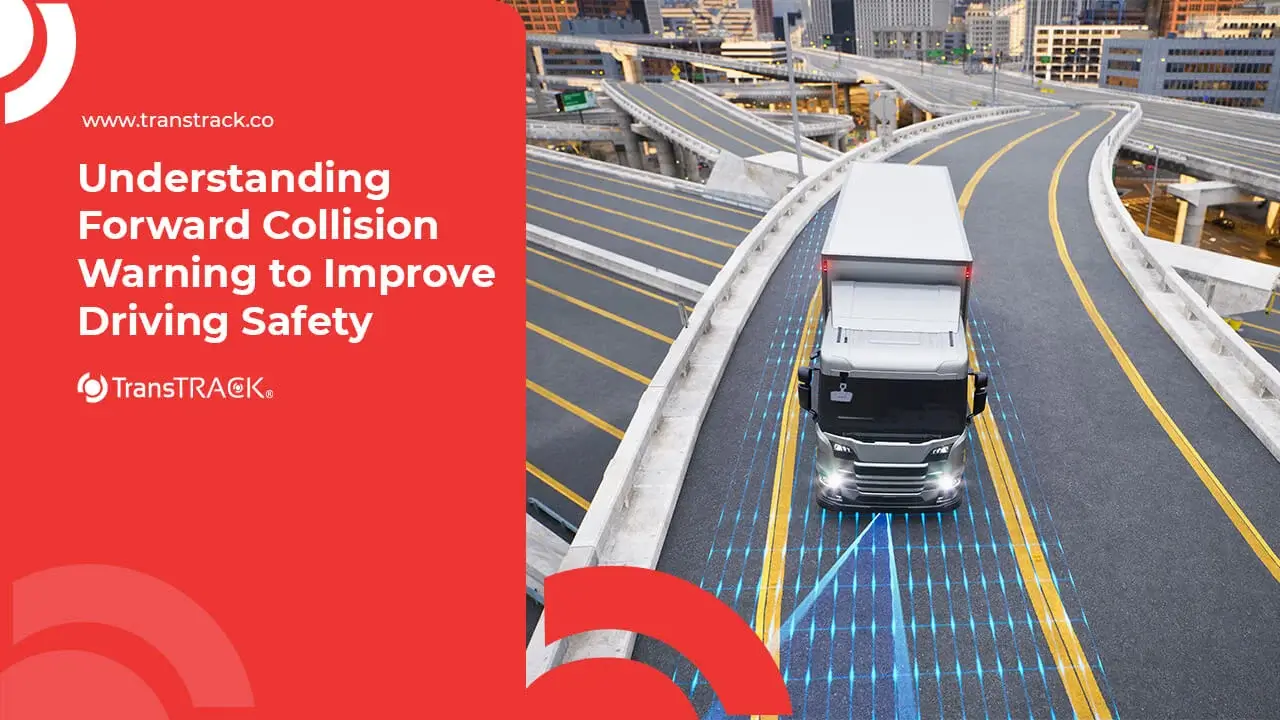
Forward Collision Warning (FCW) is a vehicle safety feature that detects potential collisions with objects or vehicles ahead and alerts the driver. This system uses sensors such as radar and cameras to monitor conditions in front of the vehicle and help the driver respond more quickly to the risk of an accident. Check out the full explanation in the following TransTRACK article!
Apa Itu Forward Collision Warning (FCW)?
Forward Collision Warning (FCW) is a vehicle safety feature that detects potential collisions with vehicles or objects ahead and alerts the driver when the distance or driving conditions indicate a risk of collision.
FCW typically uses cameras, radar, or a combination of both to monitor conditions ahead of the vehicle. If the system detects that the vehicle ahead is slowing down or stopping and the driver does not respond immediately, FCW will issue a warning in the form of an audible alert, a visual alert on the dashboard, or a vibration.
Unlike Automatic Emergency Braking (AEB), FCW essentially only provides a warning and does not automatically apply the brakes. Its purpose is to give the driver enough time to take action, such as slowing down, braking, or avoiding an object ahead.
Types of Forward Collision Warning Sensors and How They Work
The Forward Collision Warning (FCW) system uses various types of sensors to detect vehicles, objects, and conditions ahead of the vehicle. Data from the sensors is then processed to determine distance, relative speed, and the potential risk of a collision.
Radar Sensors (Millimeter-Wave Radar)
Uses radio waves to detect the distance, position, and relative speed of objects in front of the vehicle. This technology can continue to function in low-light conditions and under certain weather conditions.
Optical Cameras (Monocular / Stereoscopic Cameras)
It uses a camera and AI to recognize vehicles, pedestrians, and objects ahead. The stereoscopic camera also helps estimate the depth and distance of objects more accurately.
LiDAR & Sensor Combination (Sensor Fusion)
LiDAR uses lasers to measure the distance to objects in detail. Sensor fusion combines data from various sensors to improve the accuracy and reliability of detection.
Kalkulasi Time-to-Collision (TTC)
TTC calculates the estimated time to collision based on distance and relative speed. The lower the TTC value, the higher the risk of a collision, so you need to be on the lookout.
Perbedaan Forward Collision Warning (FCW) dan Autonomous Emergency Braking (AEB)
Forward Collision Warning (FCW) and Autonomous Emergency Braking (AEB) are both designed to help prevent frontal collisions, but they serve different functions.
| Aspek | FCW | AEB |
| Functions | Issues a warning when a collision risk is detected | Automatically applies the brakes when there is a high risk of a collision |
| Action | Relying on the driver’s response | Can apply the brakes without waiting for the driver’s response |
| Output | Audible, visual, or vibrating alerts | Automatic braking is usually preceded by a warning |
| Objective | Giving drivers time to react | Reducing the likelihood or impact of a collision |
| The Role of the Driver | Drivers must still take action | The system can apply the brakes under certain conditions |
In short, FCW alerts the driver, while AEB can automatically apply the brakes when a collision risk is detected.
Advantages and Limitations of the Forward Collision Warning System
Forward Collision Warning (FCW) helps improve driving safety by issuing a warning when the system detects a potential collision. However, like other safety technologies, FCW has both advantages and limitations that need to be understood.
| Aspek | Advantages | Limitations |
| Safety | Provides an early warning of a potential collision ahead. | We cannot guarantee that collisions can be completely prevented. |
| Driver Response | Gives drivers extra time to brake or swerve. | The action still depends on the driver’s response. |
| Monitoring | The sensor can monitor conditions in front of the vehicle in real time. | Performance may be affected by rain, fog, lighting, or sensor conditions. |
| Warning | It can provide audible, visual, or vibrating alerts. | May cause false alarms under certain conditions. |
| Collision Prevention | Helps reduce the risk of collisions caused by delayed responses. | FCW does not perform automatic braking like Autonomous Emergency Braking (AEB). |
Conclusion
Forward Collision Warning (FCW) is a safety technology that helps detect potential collisions from the front and alerts the driver so they can take immediate action. Using radar, cameras, LiDAR, and Time-to-Collision (TTC) calculations, FCW can help increase driver awareness and reduce the risk of accidents.
To improve fleet safety, the Vehicle Surveillance System from TransTRACK can serve as a solution that supports more comprehensive monitoring of vehicles and driver behavior. By leveraging camera-based safety technology and vehicle monitoring systems, companies can improve visibility into driving conditions while promoting safer and more controlled fleet operations.
FAQ
Does the Forward Collision Warning system automatically apply the brakes on its own?
No. FCW only alerts the driver when it detects a risk of a collision. Automatic braking is a function of Autonomous Emergency Braking (AEB).
Where is the Forward Collision Warning sensor located on the vehicle?
FCW sensors are typically located at the front of the vehicle, such as behind the grille or bumper for radar sensors, and in the windshield area for cameras.
Why did the Forward Collision Warning indicator suddenly come on?
The indicator may illuminate when the system detects an object or vehicle ahead that poses a collision risk. A warning may also appear due to road conditions, weather, or obstructed sensors.
Can the sensitivity level of the Forward Collision Warning be adjusted?
On some vehicles, the FCW sensitivity can be adjusted through the vehicle settings. The available settings depend on the make and model of the vehicle.
Recent Post




Topic :