Bahasa Indonesia
Driver Monitoring System (DMS), an AI Solution for Driver and Fleet Safety
Posted on July 24, 2026 by Nur Wachda Mihmidati
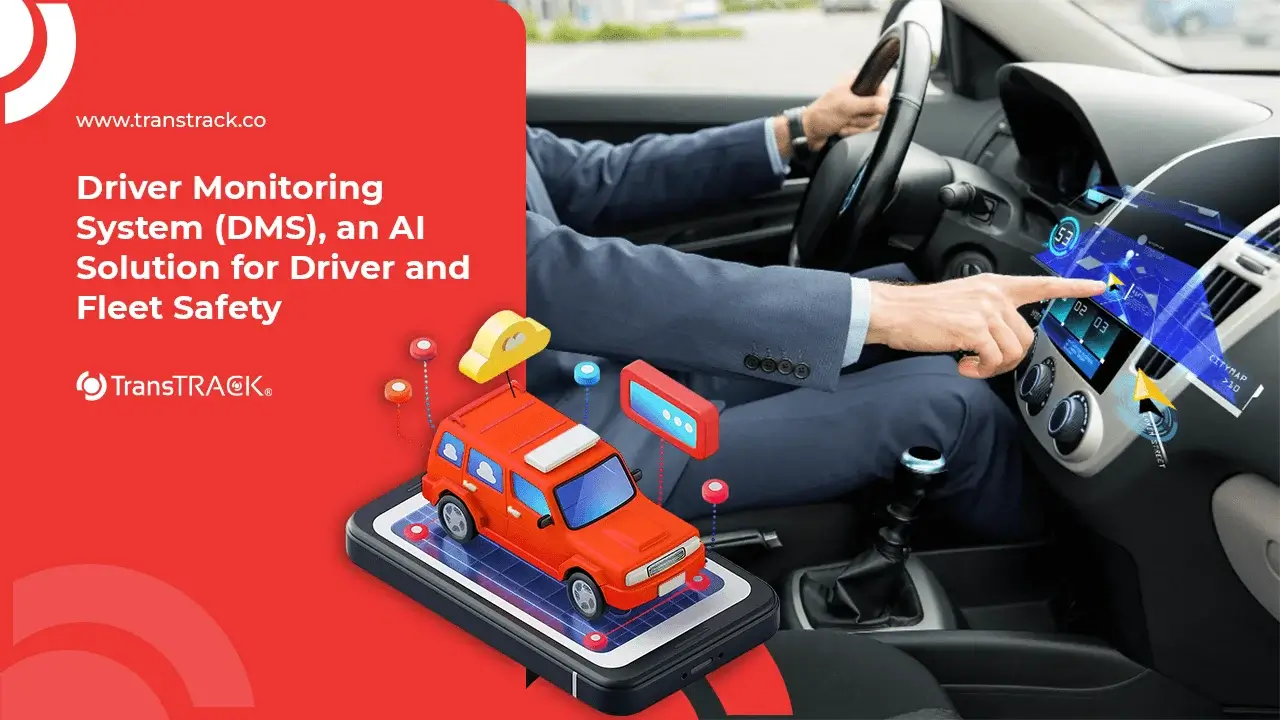
The Driver Monitoring System (DMS) is an AI-based driver monitoring system that uses cameras and sensors to detect fatigue, drowsiness, distractions, and risky driving behavior in real time. If a potential hazard is detected, the system will alert both the driver and the fleet operator to help prevent accidents. Check out the full explanation in the following TransTRACK article!
What is a Driver Monitoring System (DMS)?
The Driver Monitoring System (DMS) is a vehicle safety technology that uses artificial intelligence (AI)-based cameras and sensors to monitor the driver’s condition, behavior, and level of alertness in real time. This system is designed to detect signs of fatigue, distraction, drowsiness, cell phone use, and risky driving behavior, and then issue warnings so that the driver can immediately refocus.
DMS is widely used in trucks, buses, company operational vehicles, logistics fleets, and even mining vehicles as part of modern safety and fleet management systems.
What Is the Main Purpose of Using a Driver Monitoring System (DMS)?
The Driver Monitoring System (DMS) is designed to help ensure driver safety while improving fleet operational efficiency. Here are some of the main objectives of implementing this technology:
1. Preventing Accidents
DMS detects signs of drowsiness, fatigue, and distraction early on, before they lead to accidents. This helps minimize the risks associated with human error.
2. Improving Driving Safety
The system provides real-time alerts when a driver exhibits risky behavior. This helps drivers stay focused and alert during their trip.
3. Monitoring Driver Behavior
DMS can detect activities such as using a cell phone, smoking, or taking one’s eyes off the road. This data can also be used for driver evaluation and training.
4. Improving Fleet Operational Efficiency
Real-time driver monitoring helps companies reduce accidents and operating costs. In addition, fleet productivity can increase because vehicles operate more safely.
How Does a Driver Monitoring System Work?
The Driver Monitoring System (DMS) uses cameras and AI to monitor the driver’s condition in real time. Here are the steps involved in how it works:
1. Active Face Scanning
The camera continuously scans the driver’s face to monitor their line of sight, head position, and eye condition. This data serves as the basis for detecting changes in the driver’s behavior.
2. AI Pattern Recognition Algorithm (Facial Landmark Detection)
AI analyzes facial landmarks to detect signs of drowsiness, distraction, or risky behavior. The analysis process occurs automatically without interfering with driving.
3. Analysis of Sleepiness Levels Using PERCLOS
The system calculates the duration of eye closure using the PERCLOS metric to identify driver fatigue. The higher the PERCLOS value, the stronger the indication that the driver is becoming drowsy.
4. Cabin Alarms & Cloud Notifications
If a risk is detected, the DMS issues a warning in the cab and sends a notification to the Fleet Management System for fleet monitoring. This allows drivers and operators to take immediate preventive action.
What Are the Benefits of Using a Driver Monitoring System (DMS) in Business?
The implementation of a Driver Monitoring System (DMS) offers a variety of benefits for companies that manage vehicle fleets. In addition to improving safety, this technology also helps make operations more efficient.
- Reducing the Risk of Accidents
DMS detects driver drowsiness and distractions early on, thereby minimizing the risk of accidents. This helps ensure the safety of the driver, the vehicle, and the cargo.
- Reducing Operating Costs
A reduction in the number of accidents can lower vehicle repair costs, insurance claims, and operational downtime. Companies can also save on expenses in the long run.
- Improving Fleet Productivity
More disciplined and alert drivers help operations run more smoothly. As a result, deliveries are more on time and efficient.
- Facilitates Real-Time Monitoring
Driver behavior data can be monitored in real time through the Fleet Management System. This information helps companies take swift action in the event of violations or risky situations.
- Supporting Compliance with Safety Standards
DMS helps companies foster a culture of safe driving and meet operational safety standards. It also boosts customer confidence in the quality of service.
4 Key DMS Features That Protect Drivers and Company Assets
The Driver Monitoring System (DMS) is equipped with various AI-based features to enhance driver safety while protecting company assets. Here are its key features:
1. Fatigue Detection
DMS detects signs of fatigue based on the driver’s eye condition, facial expression, and head position. If drowsiness is detected, the system will automatically issue a warning.
2. Distraction Alerts (Concentration Distraction Detection)
The system detects when the driver is distracted, such as when using a cell phone or taking their eyes off the road. A warning will be issued to prompt the driver to refocus immediately.
3. Behavior Compliance (Detection of Dangerous Behavior)
DMS monitors potentially dangerous behaviors, such as smoking, not wearing a seat belt, or engaging in other activities while driving. This data can be used for driver evaluation and training.
4. Driver Identity Verification (Facial Recognition Attendance)
Facial recognition technology ensures that vehicles are operated by registered drivers. This feature can also be used as an attendance system and enhances fleet operational security.
Conclusion
A Driver Monitoring System (DMS) is a critical solution for improving driving safety by detecting drowsiness, distractions, and risky behavior in real time. For companies that manage fleets, implementing a DMS not only helps reduce the risk of accidents but also improves driver productivity, lowers operating costs, and safeguards company assets.
For more comprehensive protection, use the Vehicle Surveillance System (VSS) from TransTRACK. This solution integrates Driver Monitoring System (DMS), Advanced Driver Assistance System (ADAS), and real-time video monitoring, allowing companies to monitor driver conditions, driving behavior, and the situation around the vehicle all on a single platform. With TransTRACK, you can build a safer, more efficient, and easier-to-manage fleet operation. Contact the TransTRACK team to find out how the Vehicle Surveillance System can be tailored to your business needs.
FAQ
What is the main function of the Driver Monitoring System (DMS)?
The primary function of the Driver Monitoring System (DMS) is to monitor the driver’s condition and behavior in real time to detect drowsiness, fatigue, distractions, and risky actions. The system then issues alerts to help the driver stay focused and reduce the risk of accidents.
How does the DMS detect when a driver is drowsy?
DMS uses a camera and AI algorithms to analyze indicators such as eye-closure duration, blink rate, gaze direction, and head position. If signs of fatigue are detected, the system will sound an alarm to alert the driver.
Does installing a DMS camera in the cab infringe on the driver’s privacy?
No. The DMS camera is designed to support driving safety by monitoring driver behavior while the vehicle is in operation. The data collected is used for safety and operational purposes in accordance with company policy and applicable regulations.
Recent Post

Understanding Carbon Tracking and Its Role in Sustainability
August 31, 2026
Understanding Mining Digitalization and Its Impact on Operations
August 28, 2026


Topic :