Bahasa Indonesia
How to Conduct a Fleet Operational Audits to Optimize Fleet Performance
Posted on June 29, 2026 by Nur Wachda Mihmidati
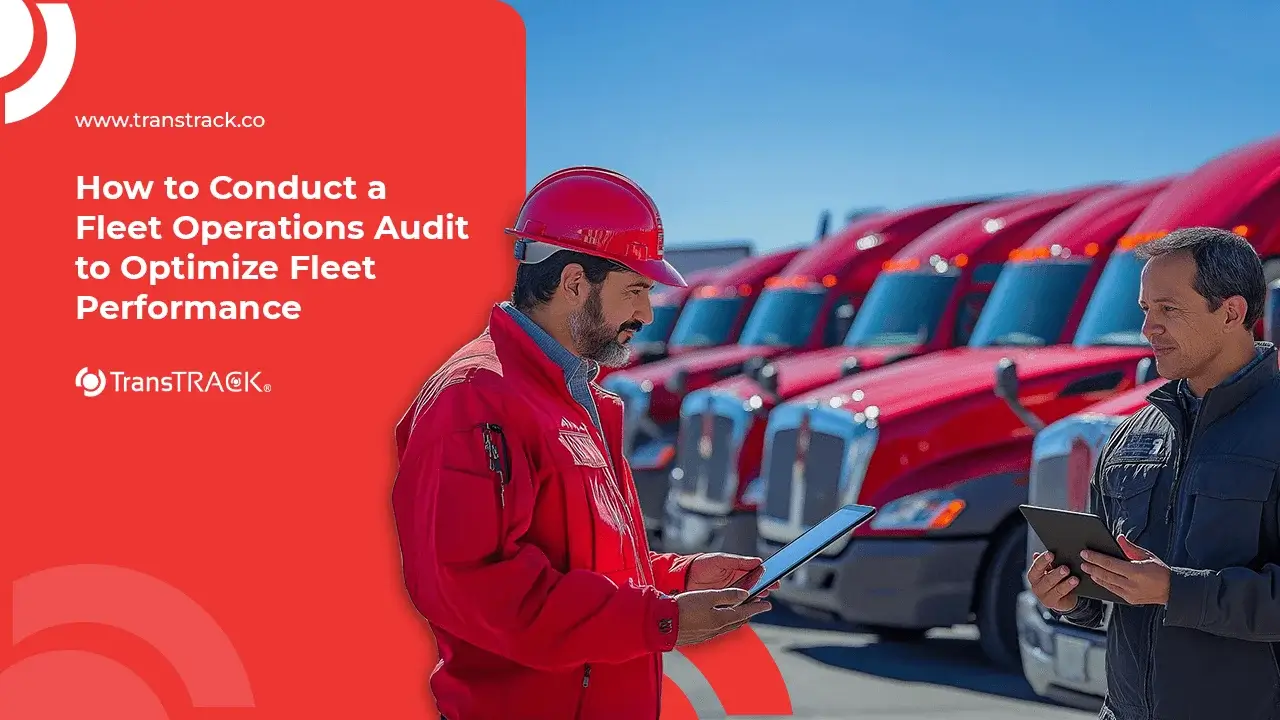
Fleet operational audits are often viewed as purely administrative tasks. In reality, regular audits can help companies identify cost inefficiencies, improve vehicle productivity, and reduce operational risks that directly impact business profitability. By evaluating fleet usage, fuel consumption, vehicle maintenance, and driver performance, companies can make more informed, data-driven decisions. Learn about the definition, benefits, and how to conduct an effective fleet operational audit in the following TransTRACK article.
What Is a Fleet Operational Audit?
A fleet operational audit is a comprehensive process of examining and evaluating a company’s vehicle operations to ensure that the fleet operates efficiently, safely, productively, and in accordance with established procedures.
This audit not only examines the condition of the vehicles but also evaluates driver performance, fuel consumption, maintenance schedules, compliance with SOPs, and the cost-effectiveness of operations.
What Is the Main Purpose of Conducting an Operational Audit of the Fleet?
The primary objective of an operational fleet audit is to ensure that all fleet activities are conducted efficiently, safely, productively, and in accordance with procedures, so that the company can achieve optimal operational performance while keeping costs under control.
More specifically, fleet operational audits are conducted to:
- Controlling operating costs such as fuel, maintenance, and vehicle repairs.
- Improving fleet efficiency by monitoring vehicle utilization and trip productivity.
- Detect operational irregularities such as vehicle misuse, fuel theft, or SOP violations.
- Ensuring compliance with applicable regulations and safety standards.
- Reducing the risk of accidents and vehicle damage through evaluations of fleet condition and driver behavior.
- Improving fleet reliability by ensuring that maintenance programs are carried out on schedule.
- Supports data-driven decision-making regarding vehicle replacement, route optimization, and asset management.
In short, a fleet operational audit aims to identify opportunities for improvement and ensure that the fleet delivers optimal performance at the most efficient operating costs.
Why Is a Fleet Operations Audit Vital to Business Profitability?
A fleet operational audit is not merely an inspection activity, but a strategy for improving business efficiency and profitability. Here are a few reasons why fleet audits are so important:
Plugging Hidden Budget Leaks
Audits help identify cost inefficiencies such as excessive fuel consumption, high idle time, or unproductive vehicle use.
Occupational Safety and Health Standardization & Legal Risk Mitigation
Through audits, companies can ensure compliance with safety standards, SOPs, and regulations to reduce the risk of accidents and legal penalties.
Optimalisasi Total Cost of Ownership (TCO)
An audit provides a comprehensive overview of fleet ownership costs, enabling the company to make more informed decisions regarding maintenance, vehicle replacement, and asset management.
The 5 Key Pillars of Conducting a Fleet Operations Audit
To ensure that the audit results provide a comprehensive picture, companies need to evaluate the following key aspects:
Vehicle Utilization and Productivity Audit
Measuring fleet utilization rates to ensure that every vehicle operates optimally and productively. This audit helps identify underutilized vehicles so that operating costs can be reduced.
Fuel Consumption Audit (Fuel Efficiency Audit)
Analyze fuel usage to identify waste, inefficiencies, or signs of irregularities. The audit results can be used to improve fuel efficiency and reduce travel costs.
Asset Maintenance and Condition Audit (Maintenance Audit)
Checking compliance with maintenance schedules and vehicle condition to reduce the risk of breakdowns and downtime. This evaluation helps extend the service life of assets and maintain fleet availability.
Driver Behavior & Performance Audit
Evaluate driving habits, safety levels, and drivers’ compliance with operational SOPs. The data collected can serve as the basis for training programs and initiatives to improve driving safety.
Legal and Administrative Compliance Audit
Ensuring that all documents, permits, and fleet operations comply with applicable regulations. This allows the company to avoid legal penalties and operational disruptions resulting from administrative violations.
How FMS Helps with the Automated Audit Process
With the support of the Fleet Management System (FMS), the fleet audit process no longer relies on manual inspections. Operational data can be monitored and analyzed automatically, making audits faster, more accurate, and more sustainable.
Continuous Real-Time Auditing
FMS collects real-time data on vehicles, drivers, and operations to provide full visibility into fleet activities. This enables companies to conduct ongoing audits without having to wait for periodic reports.
Anomaly Alert & Early Warning
The system automatically detects anomalies such as abnormal fuel consumption, speeding, excessive idling, or delayed maintenance. Early notifications help management take corrective action before problems escalate into greater losses.
Audit Traceability
All data—from trip information and vehicle activity to maintenance history—is stored on a single, easy-to-navigate platform. This digital documentation streamlines the verification and investigation processes and enables the preparation of more accurate audit reports.
Conclusion
A fleet operations audit is a crucial step in ensuring that vehicles, drivers, and all operational processes run efficiently, safely, and in accordance with company standards. Through a structured audit, companies can identify cost inefficiencies, improve fleet productivity, reduce operational risks, and optimize Total Cost of Ownership (TCO).
However, manual audits are often time-consuming and prone to data errors. Therefore, using a Fleet Management System (FMS) is a more effective solution for supporting automated, real-time, and data-driven audit processes.
With the TransTRACK Fleet Management System, companies can monitor fuel consumption, driver behavior, vehicle condition, maintenance schedules, and operational compliance—all on a single integrated platform. As a result, the audit process becomes faster and more accurate, and can generate actionable recommendations to improve fleet performance.
Want to optimize your fleet operations audit and reduce operating costs on an ongoing basis? Contact the TransTRACK team today to see how our Fleet Management System solution can help your business achieve greater efficiency.
FAQ
What is a fleet operational audit?
A fleet operational audit is a comprehensive evaluation of vehicle usage, fuel consumption, maintenance, and driver performance to measure operational efficiency, identify potential losses, and ensure compliance with SOPs and regulations.
How often should fleet operational audits be conducted?
Operational audits should be conducted on a regular basis. Daily monitoring can be implemented for aspects such as fuel consumption and driver behavior, while more comprehensive audits are generally conducted every 6 to 12 months.
How can fuel cost leakage be detected during the audit process?
Companies can compare fuel transaction data, refueling locations from GPS, and fuel volume data from the Fuel Level Sensor (FLS). This method helps identify unusual consumption patterns and potential fuel misuse.
What are the benefits of a Fleet Management System in fleet operational audits?
The Fleet Management System (FMS) helps automate the audit process through real-time monitoring, operational data analysis, anomaly detection, and the provision of more accurate and traceable reports.
What indicators are typically evaluated during a fleet audit?
Some key indicators include vehicle utilization, fuel consumption, maintenance costs, downtime rates, driver behavior, administrative compliance, and fleet operational safety levels.
Recent Post





Topic :